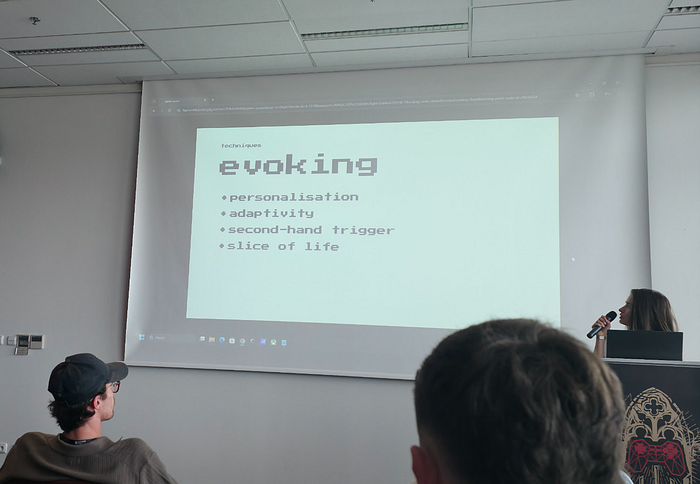
One of the few talks at this year’s GA conference that I was really interested in was by Lucia Magáthová, a UX designer with three years of experience at Wargaming Studios. As a long-time World of Tanks (WoT) player, I was curious about how this well-oiled, money-making machine of a game keeps me psychologically hooked. It turns out it starts with the buttons — the main interface between the player and the game. I documented this primarily for my own game development goals. While the games I’ve released have been successful, their UI has always been a weak point. Here are my notes! During the presentation, Lucia showed examples directly from the game, so I took in-game screenshots to replicate what she presented. Unfortunately, they’re in Czech, as that’s the version of WoT I play.
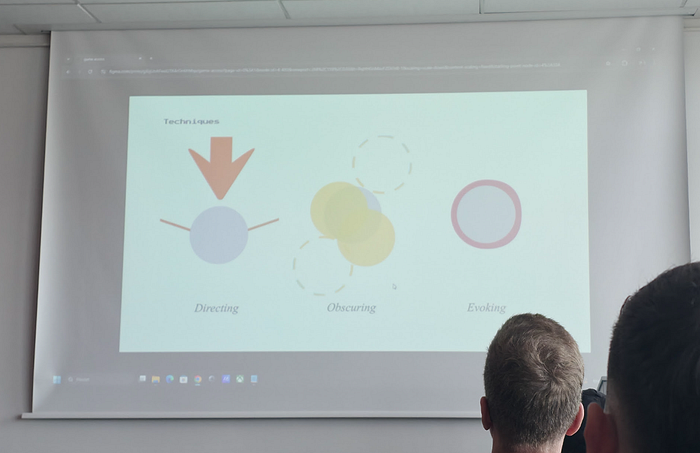
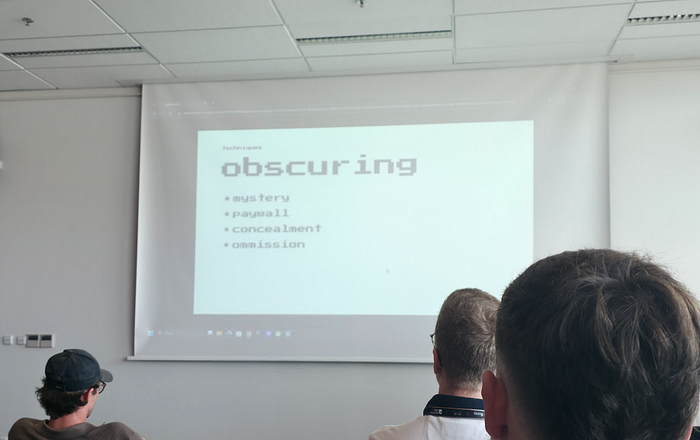
3 button concepts: Directing, Obscuring, Evoking
Directing
Prioritization
- prioritize the button with an interesting color
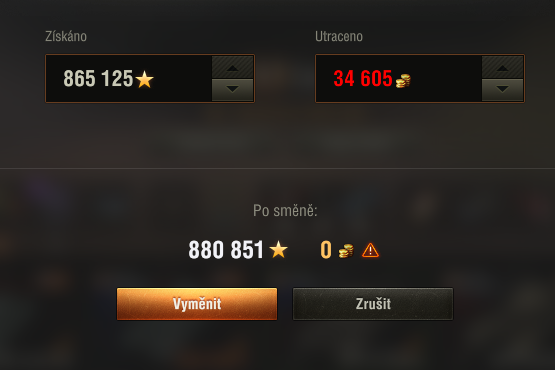 Vyměnit — Exchange
Direction of intention
- arrows in the campaing map, show the direction of the progress through the missions
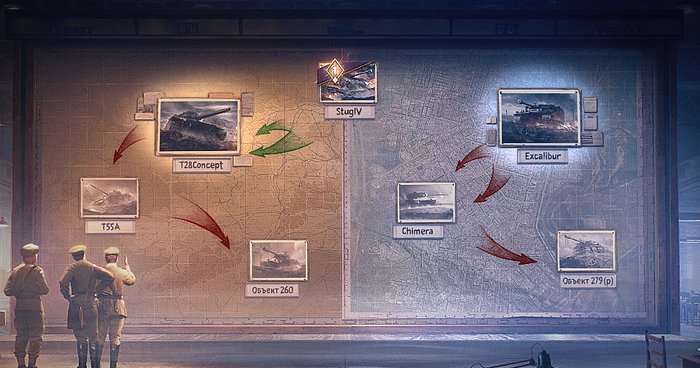
Direction questions, order
- suitable in the military setting. Affirmative. Purchase.
- (yes, the talk made absolutely clear that Wargaming’s main focus is money making. I don’t blame them, I admire how good of a money making machine the game is.)
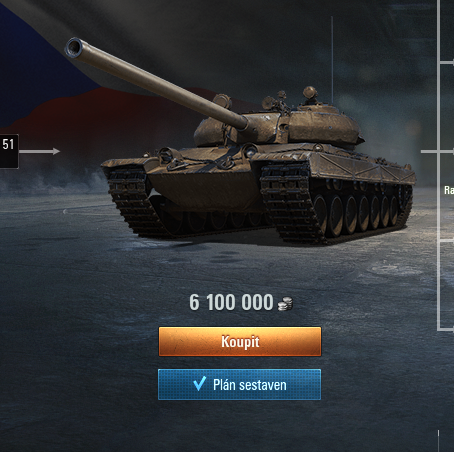 Koupit — Purchase
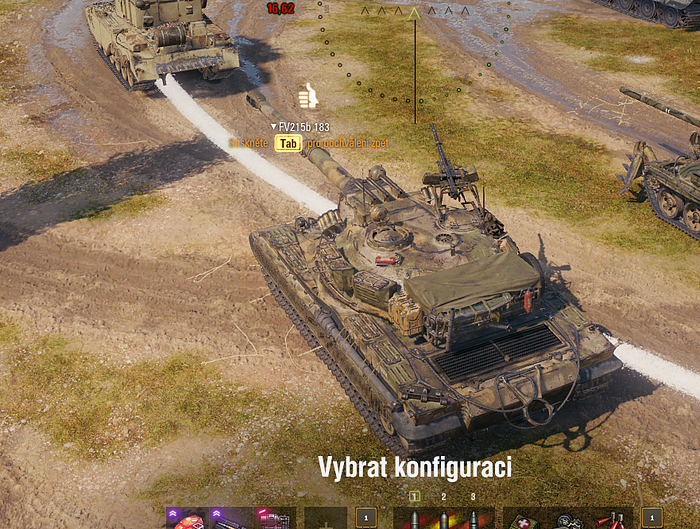
Timer
- in-game “thank you” button
- You have 10 seconds to send a thank you back to the player that thanked you. I asked Lucia about this, why I cannot send a thank you after the battle, she said it is due the context of the battle — this way it is always clear what the player is thanking you for, it is always situation-based.
Obscuring
Mystery
- transparent FOMO
- don’t remember this one, that’s my only note. Transparent fear of missing out? Could be the assembly shop tank menu.
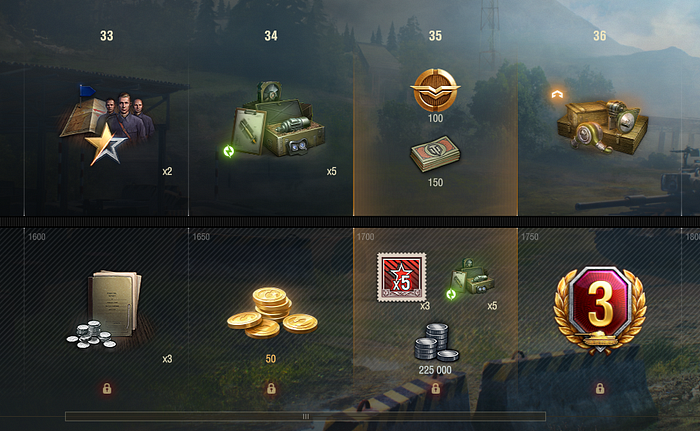
Paywall
- animated raumfalte
- no screenshot here, but she shown the Raumfalte lootbox and their different stages. Pay more > the 3D lootbox gets nicer to represent higher value.
- I am pretty sure the paywall also applies to regular paywalls like this:
Concealment
- research disabled
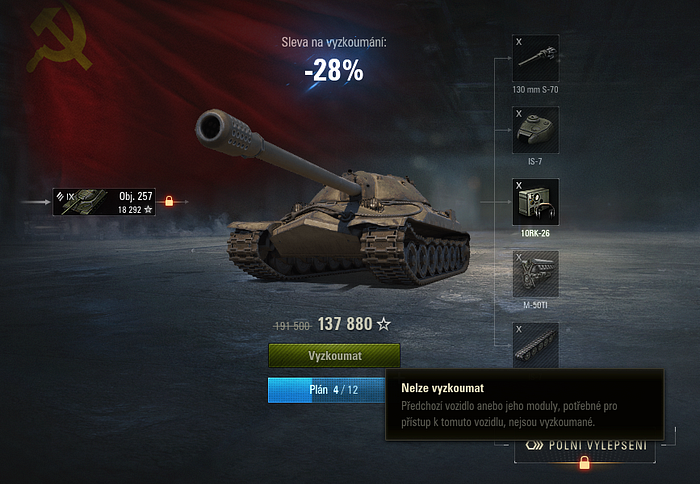 Nelze vyzkoumat — Research disabled
Omission
- notification tells the user what he got for daily reward
- apparently they experimented with daily login rewards, and the notification at bottom right shown the rewards automatically. User did not have to click any button. So that is why “omission”.
Evoking
Personalisation
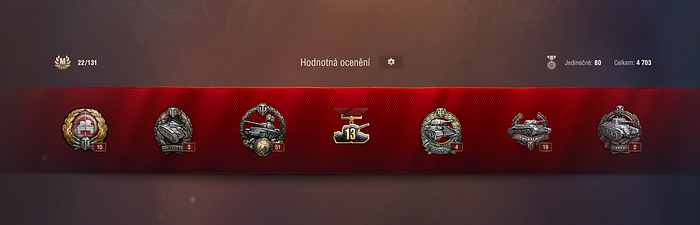
- ribbon rearrangement
- showcase
Adaptivity
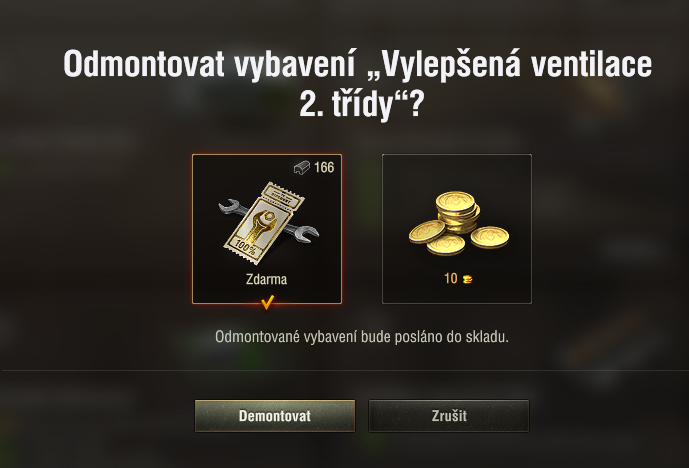
- buttons with memory — game remembers what you used
- demounting choice (kit, gold or bonds)
- WoT plus privillege
Second-hand trigger
- Christmas streams
- She got an entire segment about the twitch people watching streamers open lootboxes. Therefore “Second-hand trigger”. They enjoy watching other people have joy of opening lootboxes? I think that was her point.
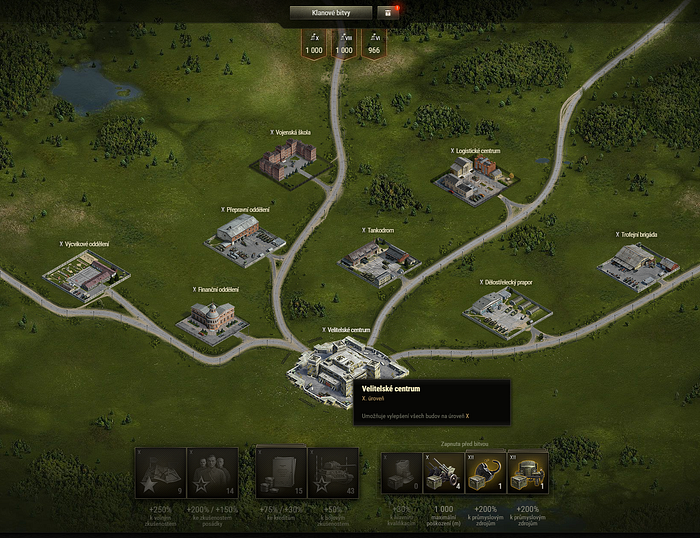
Slice of life
- Diegetic buttons
- This segment was about diegetic (that is — integrated into the world, game) buttons. Shown in the Clan battle UI.
 The talk was generally interesting, but she spent too much time at the beginning discussing irrelevant literary topics from her degree. Additionally, she took 5–10 minutes to explain the concept of “immersion” to a room full of game developers, which felt unnecessary.
Then it started being informative with concrete examples, I enjoyed that.
After that there was a fireside chat with Oleksii Sytianov, main game designer of Stalker: Shadow of Chernobyl. I left early, he was talking about general stuff of how he entered game development in 2005–2007. It was aimed mainly at people trying to get into game development. The rest of the information I already knew in greater detail than he could provide — in 2022 I extracted an article from the AI programmer of Stalker, you can read it here.
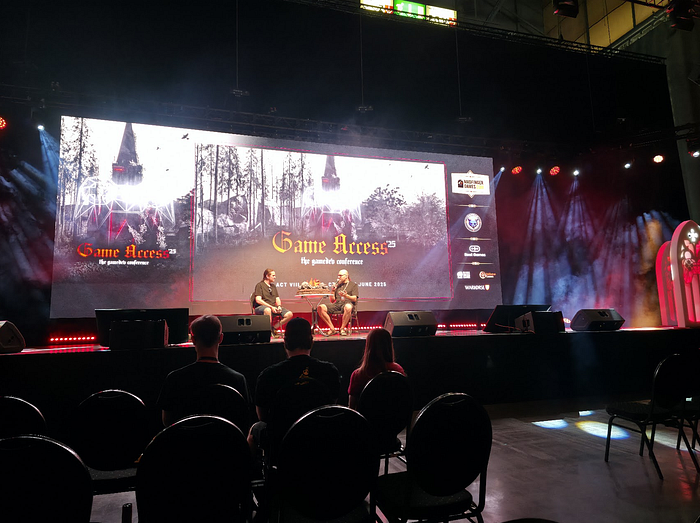
And here is a photo of the fireside chat. Game Access has a great atmosphere each year, but it is more of a networking event, than a place to learn.
The talk was generally interesting, but she spent too much time at the beginning discussing irrelevant literary topics from her degree. Additionally, she took 5–10 minutes to explain the concept of “immersion” to a room full of game developers, which felt unnecessary.
Then it started being informative with concrete examples, I enjoyed that.
After that there was a fireside chat with Oleksii Sytianov, main game designer of Stalker: Shadow of Chernobyl. I left early, he was talking about general stuff of how he entered game development in 2005–2007. It was aimed mainly at people trying to get into game development. The rest of the information I already knew in greater detail than he could provide — in 2022 I extracted an article from the AI programmer of Stalker, you can read it here.
And here is a photo of the fireside chat. Game Access has a great atmosphere each year, but it is more of a networking event, than a place to learn.