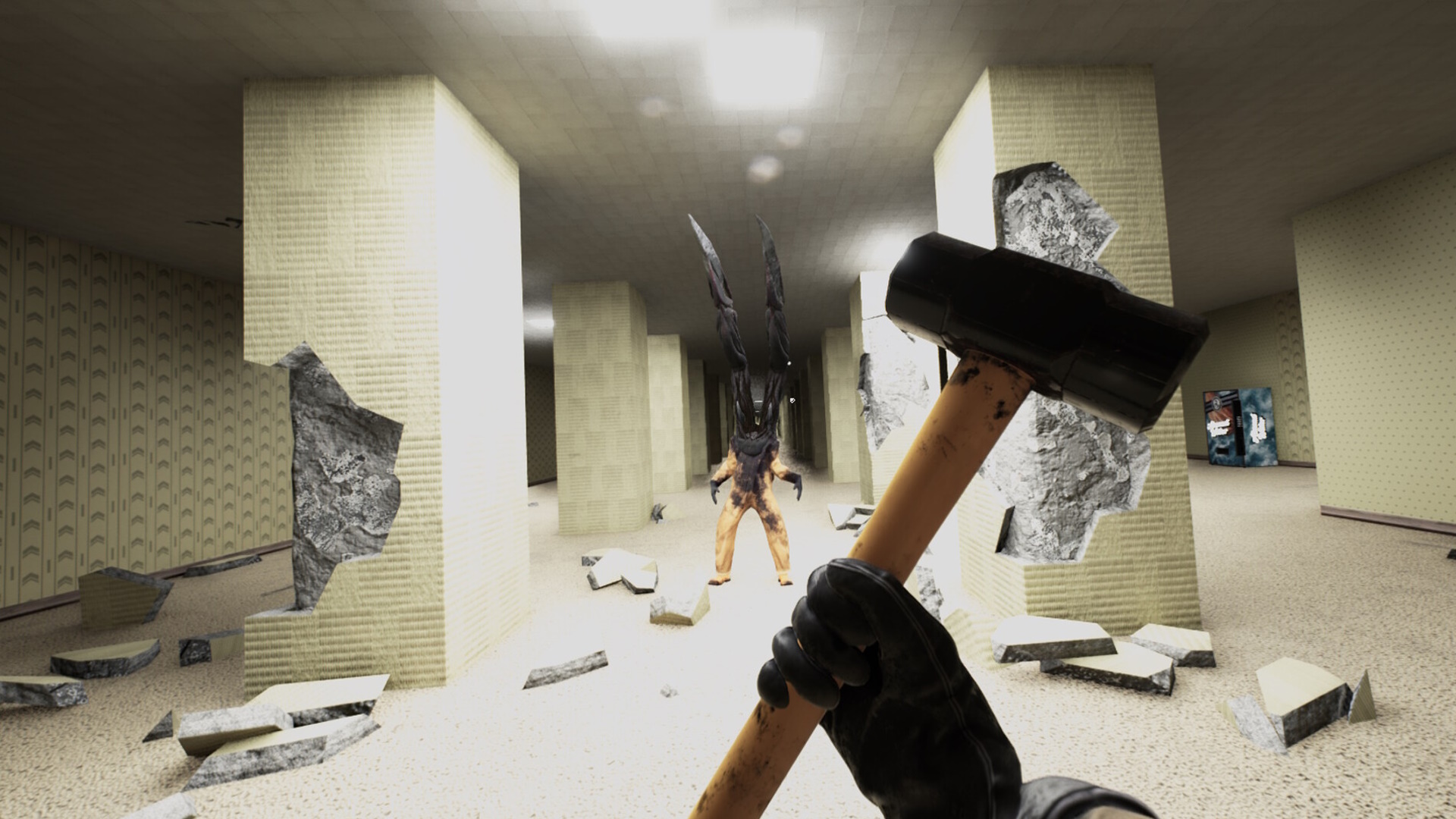
Twenty thousand copies sold on Steam. That’s Backrooms Break - my third indie game, and by far my most successful. My name is Jan Jileček, and I built it as a solo developer over two years of nights and weekends.
But this isn’t just a devlog. This is the story of what it actually takes to ship a successful indie game.
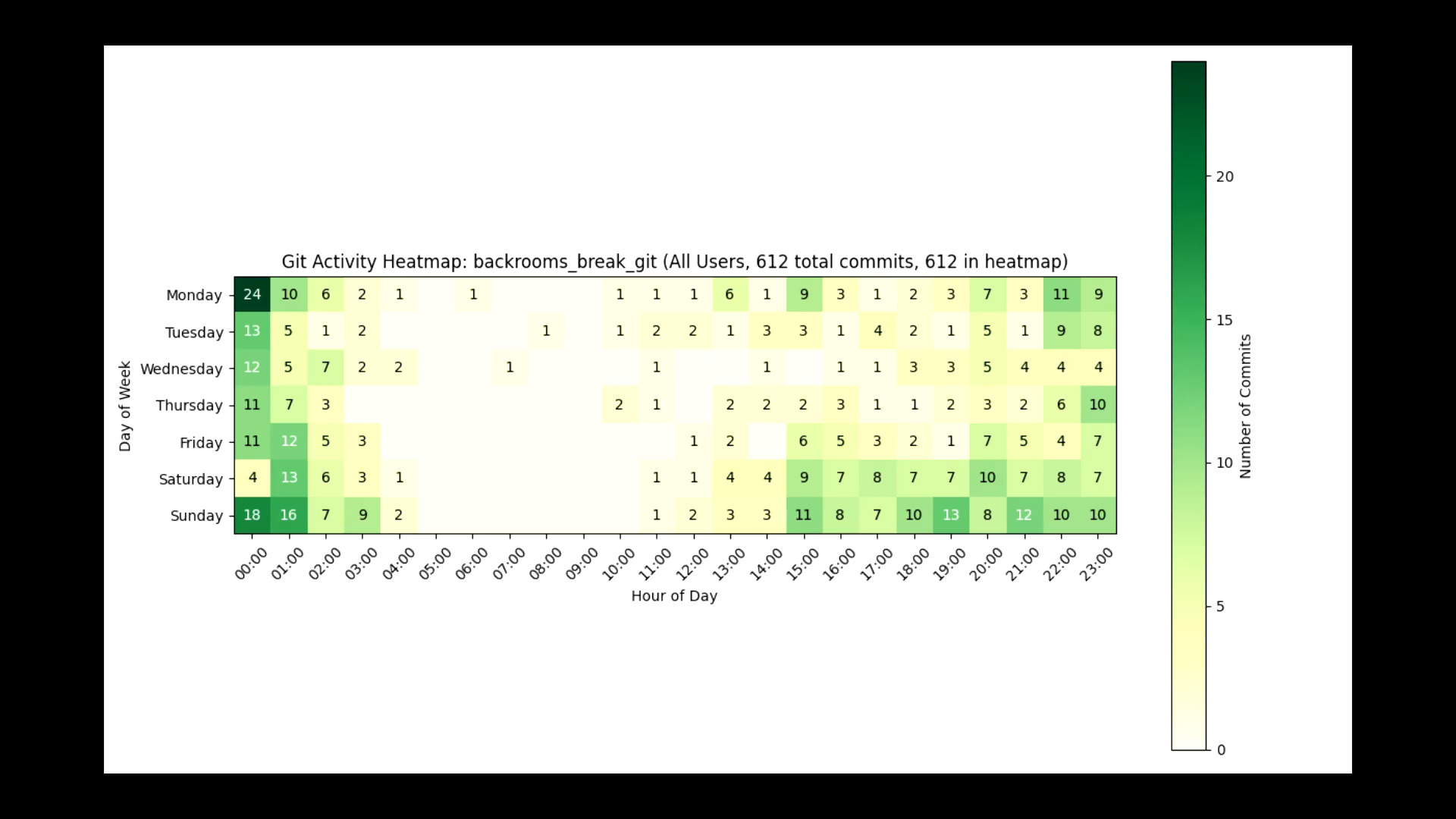
Those two years meant, in the most literal sense, nothing but work. A full-time programming job during the week, then another shift at home every evening and weekend. Sometimes 16 hours a day in Unreal Engine on weekdays - more on weekends. My social life took a serious hit. Every free minute was consumed by the project. I sacrificed a lot for it, including my health. I stopped going to jiu-jitsu. I cut back on family visits. I started meal-prepping just to save time for programming. Taking care of my body became an afterthought. The project had absolute priority.
Then came the paradox. The moment I discovered people had real interest in the game, everything got more complicated - not less. The project suddenly carried far greater weight, and with it came responsibility. Every mistake, every bug, could translate into serious financial losses.
And one design mistake ended up doing exactly that.
In this devlog, I’ll walk you through the entire process - from game design and hundreds of hours of programming, through testing and marketing, to the personal sacrifices, the problems that nearly derailed everything, and finally, the launch.
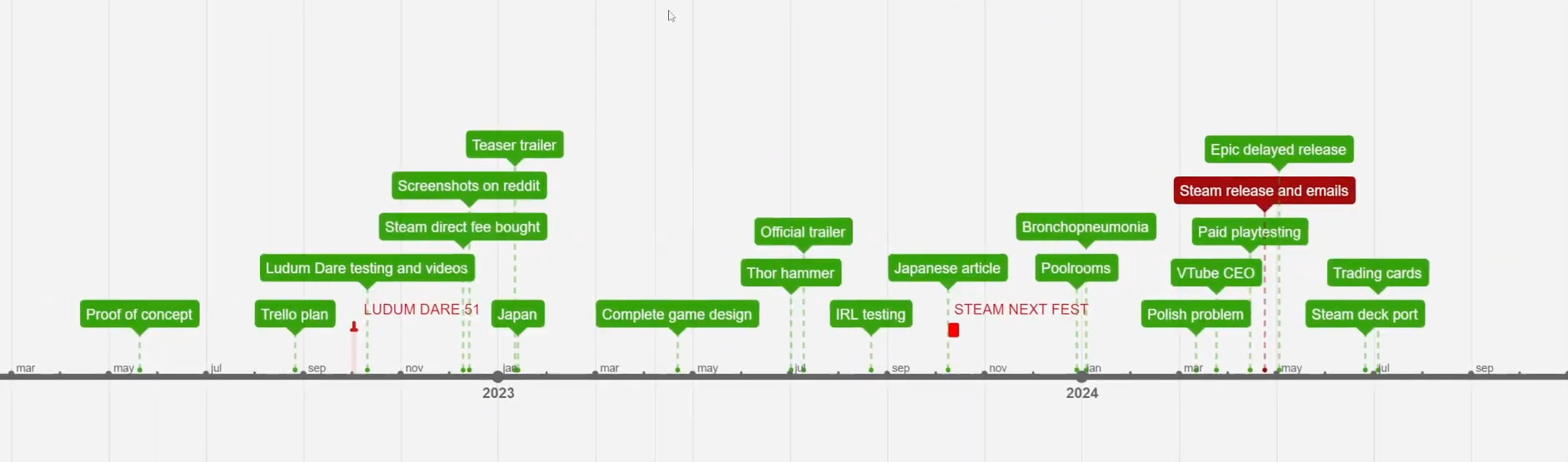
In case you prefer the video version, I made this devlog on youtube, but chose to narrate it in my native Czech language.
Where It All Started
Back in 2019, I’d been working at a software company for several years - a job that felt utterly hollow. The office sat in the middle of an industrial wasteland on the edge of the city. In that remote location the sense of emptiness hit me hard enough that I actually made a 16-minute short film about it. By then I’d already shipped a few games, but I didn’t consider any of them commercially successful. They were experiments, made for fun.
The real turning point came during COVID.
In 2020, I made a game inspired by Jungian psychology called Jung’s Labyrinth. The procedural labyrinth generation algorithm I built for it would later become the foundation for Backrooms Break.
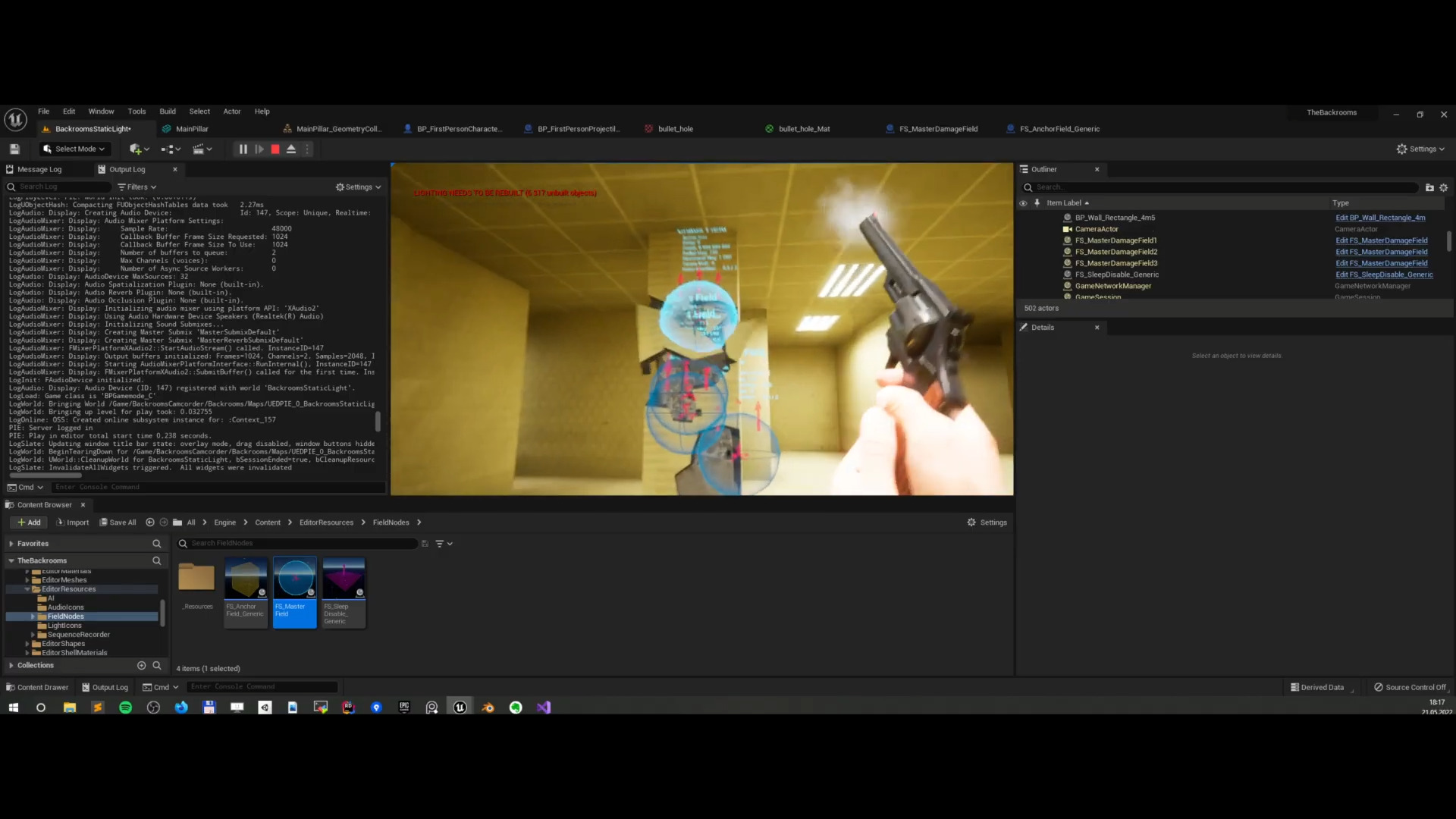
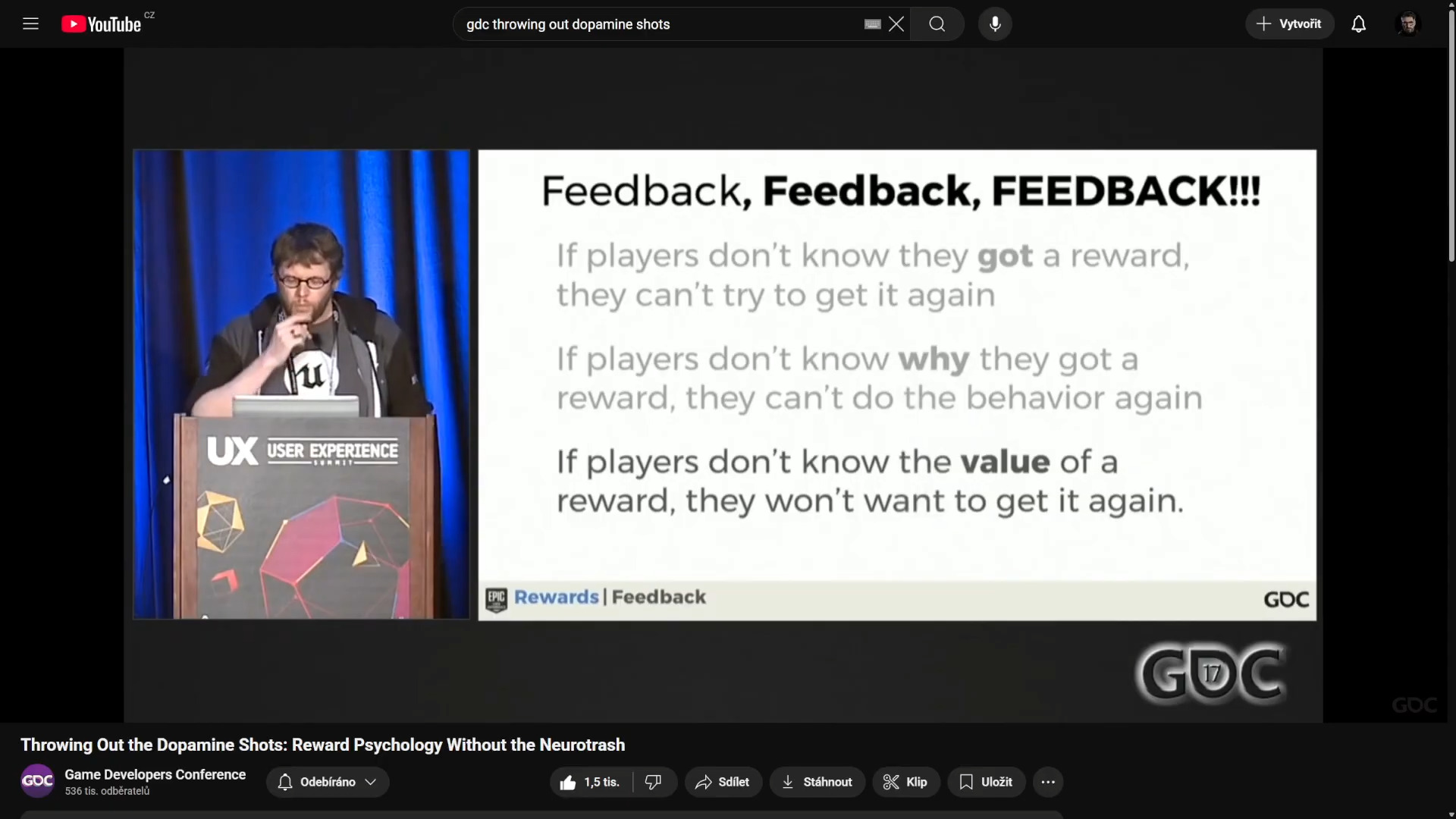
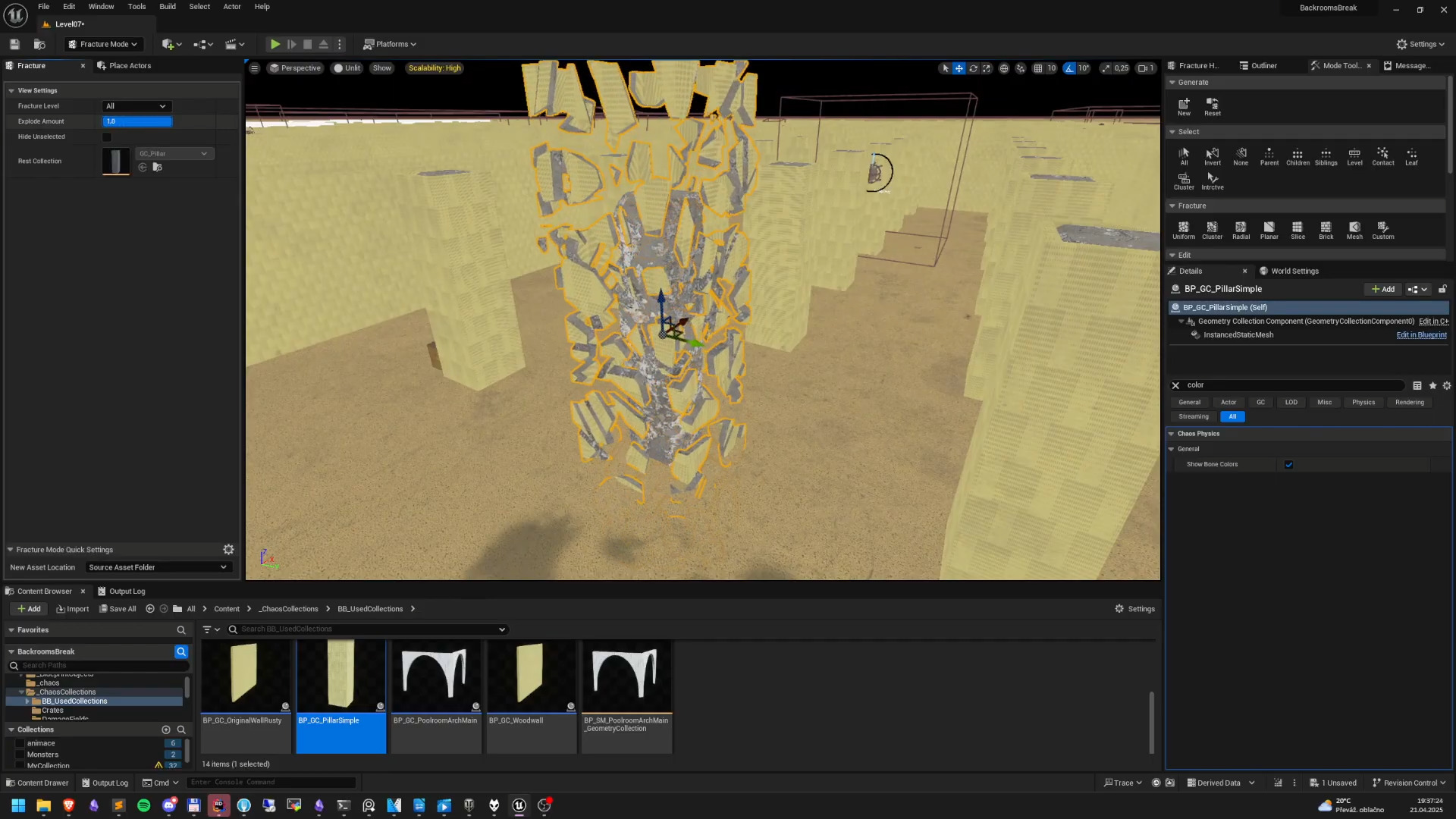
The first concept for Backrooms Break came together on a single Saturday - May 21, 2022. At the time I was working as an Unreal Engine developer at a another Czech gamedev studio. I was frustrated with my weak grasp of the Chaos physics system, so I cooked up a small side project to learn it properly. I modeled a Backrooms pillar in Blender, sliced it into destructible pieces using Chaos physics, and started experimenting with Unreal’s physics fields. I spent a few hours studying the physics in Battlefield 4, went through their GDC talks, then wrote out theoretical game mechanics I’d want - things like hacking minigames inspired by Fallout. I pulled references from Call of Duty: Cold War too. Even so, I still didn’t see Backrooms Break as a full game - more of a demo. I gave it another day on Sunday, then shelved the project.
The Jam That Started Everything
I came back to it in September when I heard about the Ludum Dare game jam happening in October. I’d entered it before with small games - the standard format is making something from scratch in 72 hours. I already had a foundation, and I wasn’t in it for the ranking anyway. I used Ludum Dare as a playtesting venue. It’s the same approach I used with my previous game: test the idea as a demo first, and if the response is positive, push forward.
That first version of Backrooms Break was played by hundreds of people. I got valuable feedback, watched multiple streamers play it live, and saw their genuine, unfiltered reactions.
After Ludum Dare I was energized - but I wanted to use the Christmas break to actually rest. My game design process always involves letting the Unconscious work for a few months. I collect dreams, shower thoughts, random ideas - jot them down, and after some time revisit them with Occam’s Razor: cut anything that adds complexity without meaningfully improving fun or gameplay. Every project I make is a form of shadow work. It’s not just a game, but an expression of who I am.
With Backrooms Break, that approach had some unexpected consequences. More on that later.
Building in Public from Day One
In December 2022, I registered a Steam page - because starting your marketing the moment you have a working product is absolutely critical. A lot of studios skip this out of fear someone will steal their idea. But even just having a STeam page with a few screenshots starts generating wishlists. A few days after launching the page, I posted a single screenshot to Reddit. That one post got 54,000 views, 1,400 upvotes, and generated hundreds of wishlists overnight. After that, dozens more wishlists rolled in organically every day - a signal that real interest existed.
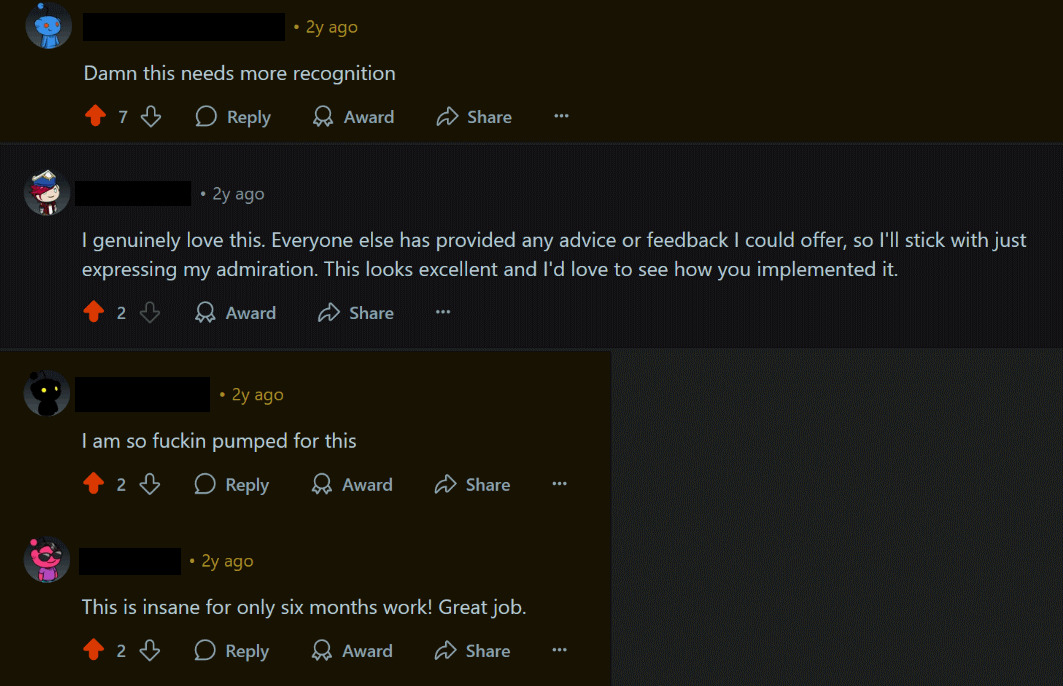
I never build a game without first knowing who my audience is and where I’ll reach them. For my previous game about Jungian psychology, I targeted psychology subreddits. For Backrooms, I went to Backrooms communities, horror fans, and liminal spaces enthusiasts. Those communities also gave me invaluable feedback and let me ask directly what they wanted to see in the game.
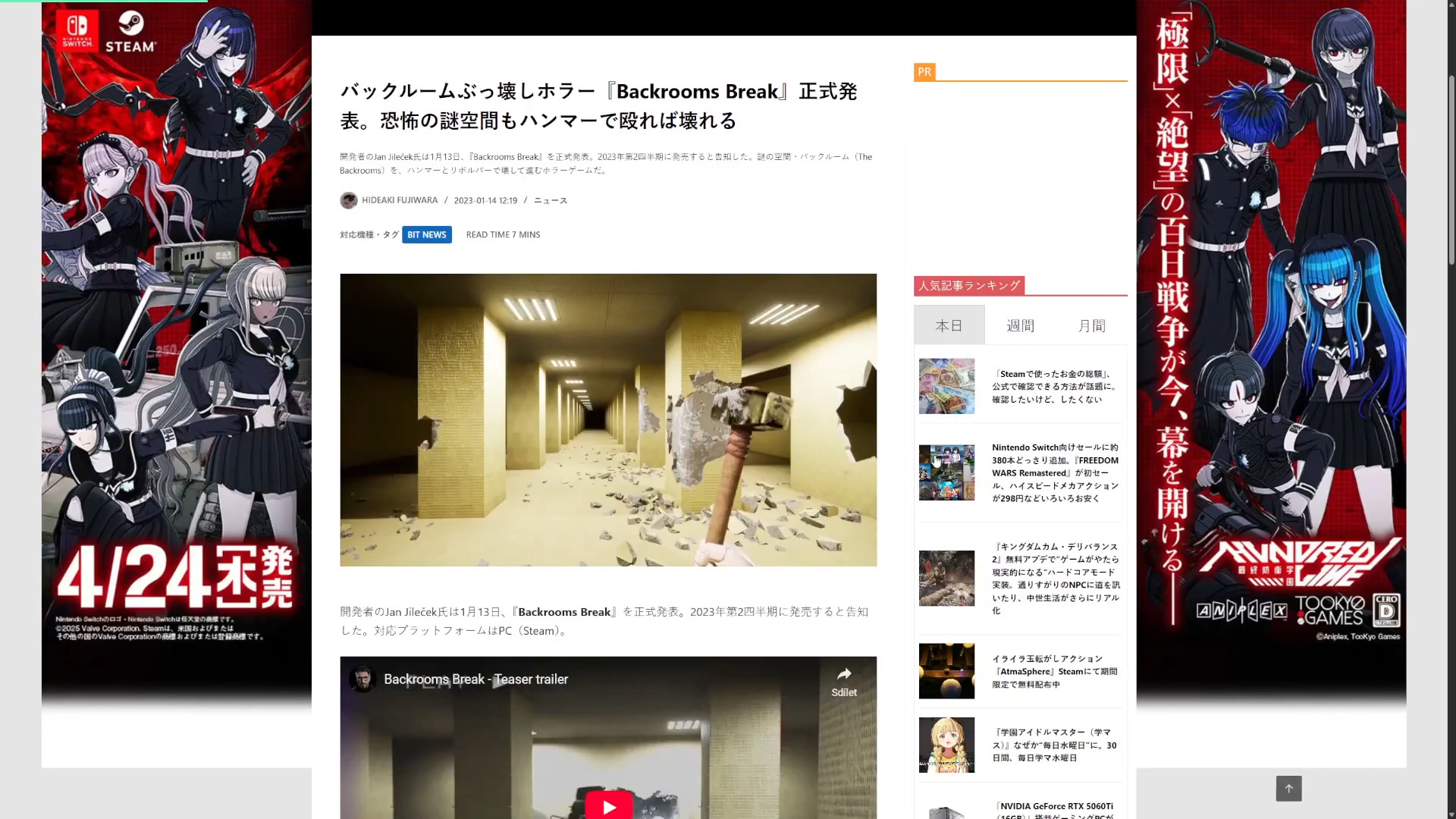
On January 12, 2023, I released the first teaser trailer - hundreds more wishlists. Two days later, Japanese gaming sites noticed it and wrote an article, posting a screenshot tweet that racked up 6 million views and 55,000 likes. That tweet linked to my Steam page. If the page hadn’t existed, I would have lost all of that momentum.
Make your Steam page as early as possible.
The day after that, Chinese outlets picked it up. I also started posting to TikTok - my girlfriend handled that campaign since I had no idea what I was doing there.
At this point, nearly everything shown in the trailer was a facade. The only actual gameplay was what I’d built in two days for Ludum Dare. I naively listed a Q2 2023 release date and planned on making just one level - the classic yellow Backrooms. But the response blew that plan apart. I was getting 480 wishlists a day, and the wave kept going for about four weeks. I had to rethink everything.
Around this time I watched a lecture by Dr. Huberman recommending nicotine as a nootropic. Despite being a non-smoker, I bought Nicorette and started taking one a day. My productivity shot up immediately. The consequences came later. More on that too.
By late April, I’d finished the complete game design. I also created a Discord community - something I’d recommend to every indie developer. By launch day, I had hundreds of fans waiting. Some helped with localization. Others kept me going during the moments I wanted to quit.
Gathering Steam (Literally)
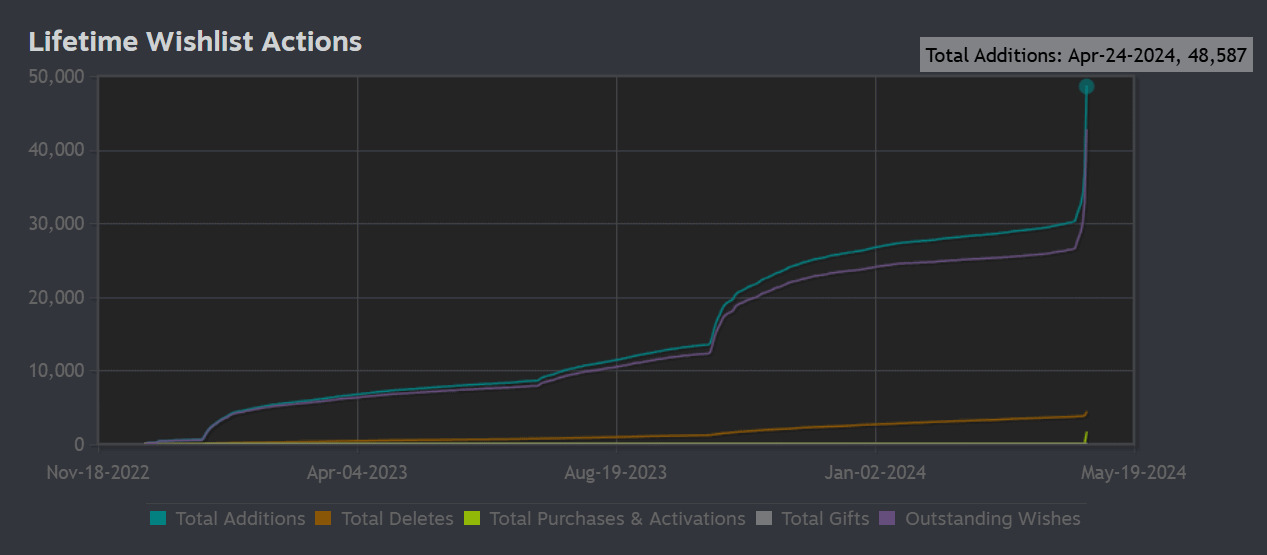
By May 2023, I was posting development progress videos to Reddit. I was at 7,000 wishlists - a meaningful number on Steam. Theoretically, hitting that threshold earns your game a “visibility wheel” in the Trending section for a week before launch, which can bring in tens of thousands of additional wishlists. That’s why releasing before reaching 7,000 is generally a bad idea. Backrooms Break ultimately reached 35,000 wishlists before launch, and gained another 11,000 on release day alone.
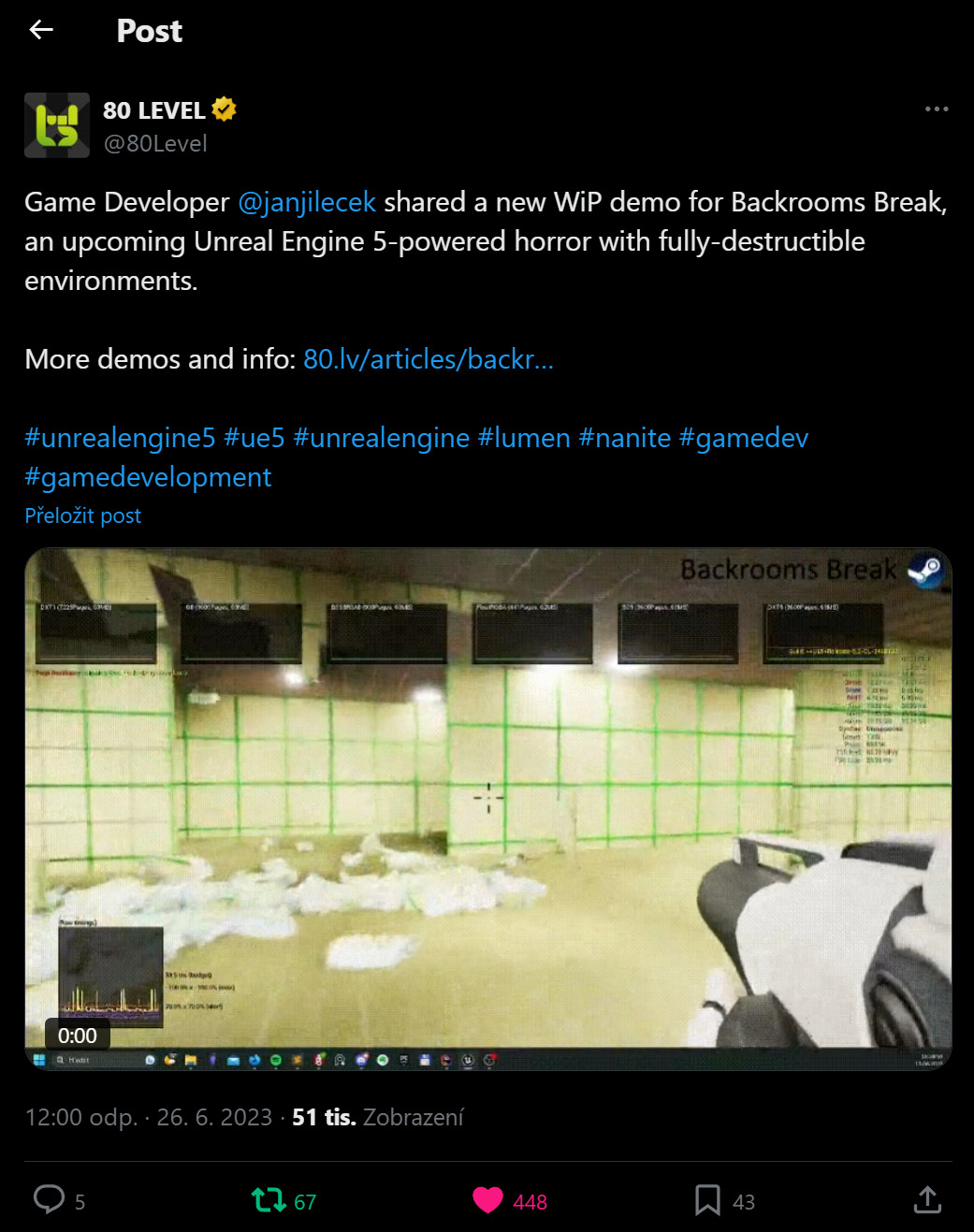
In June, the prestigious games publication 80.lv noticed my May posts and tweeted about the game.
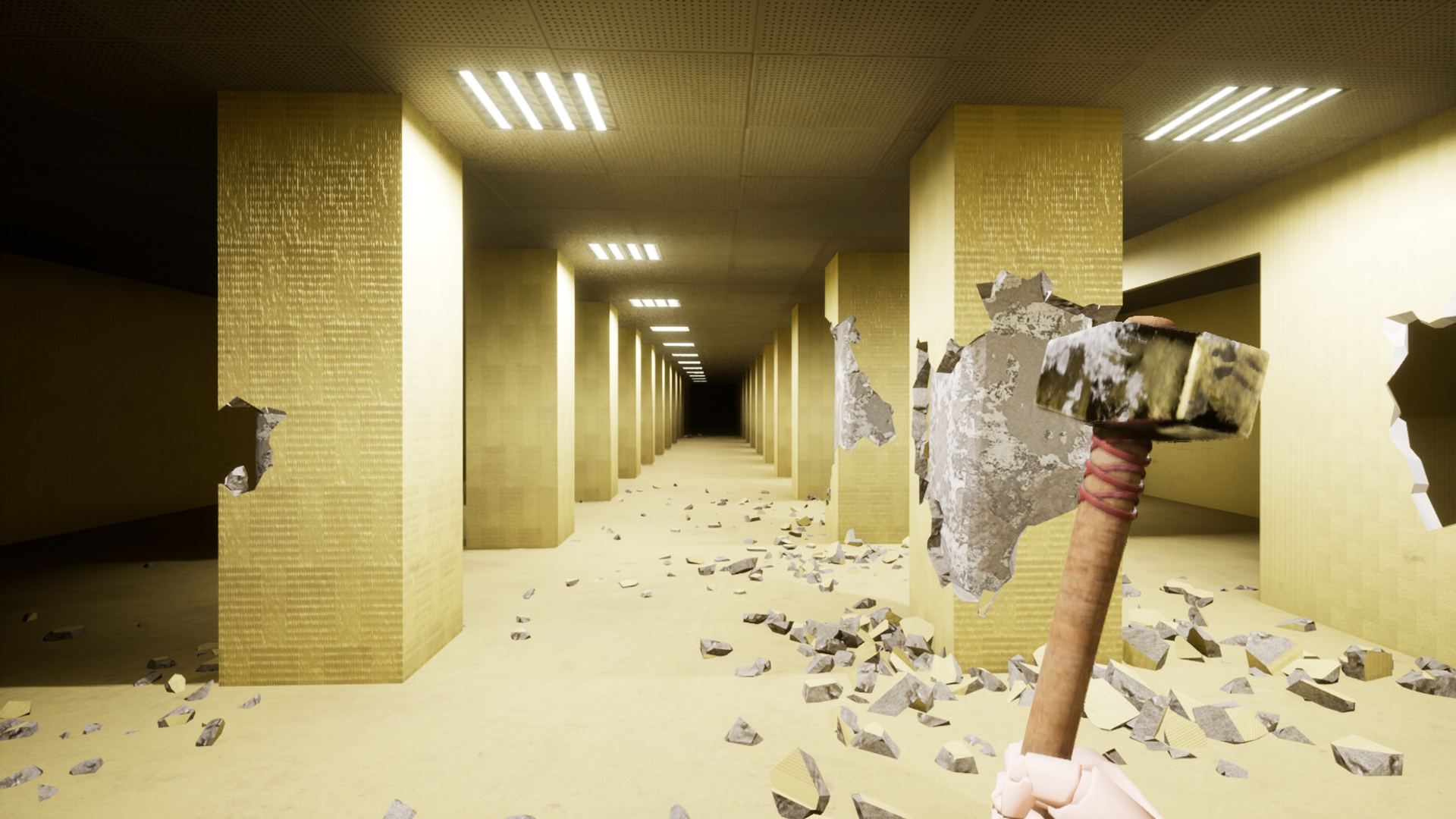
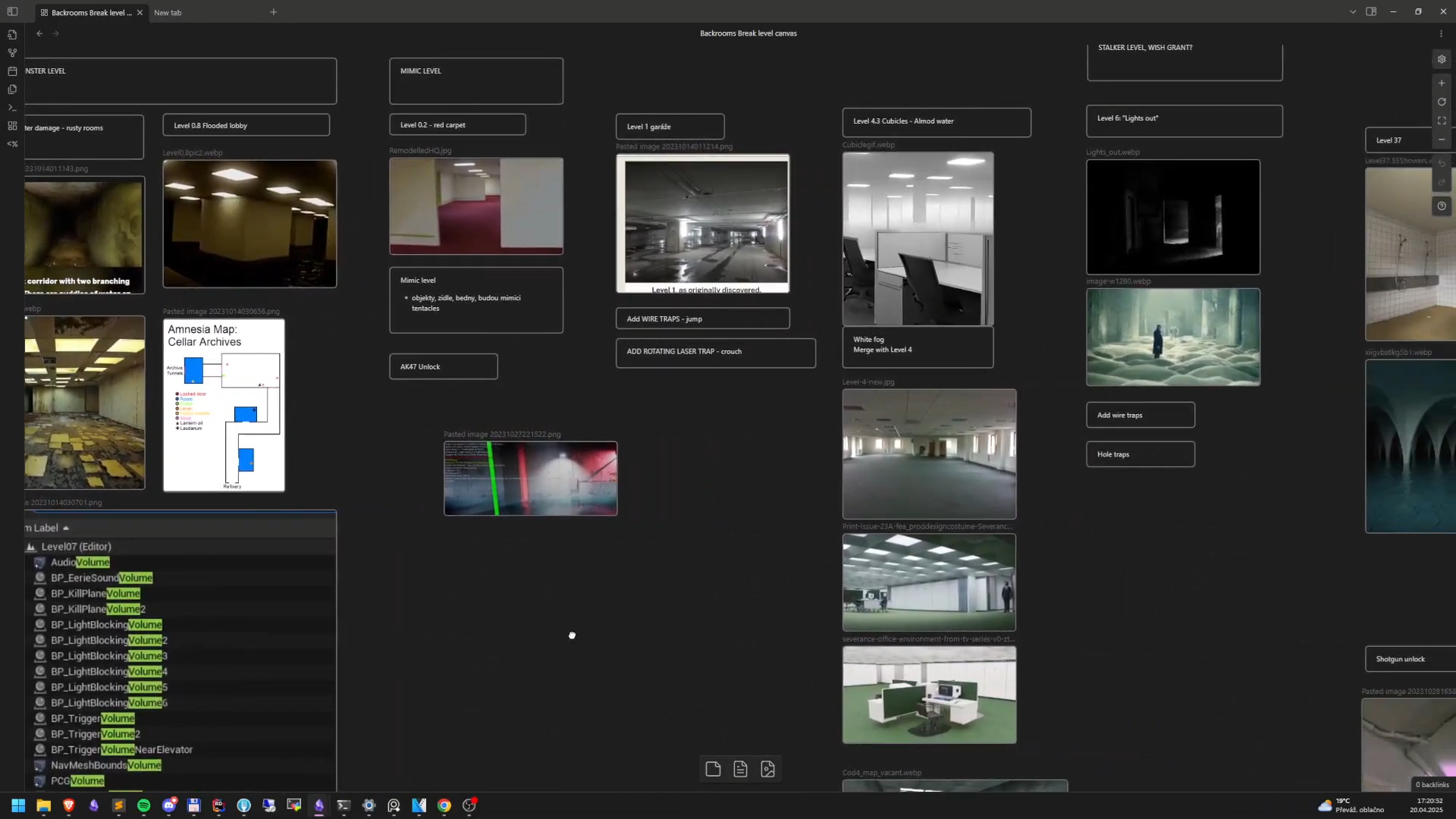
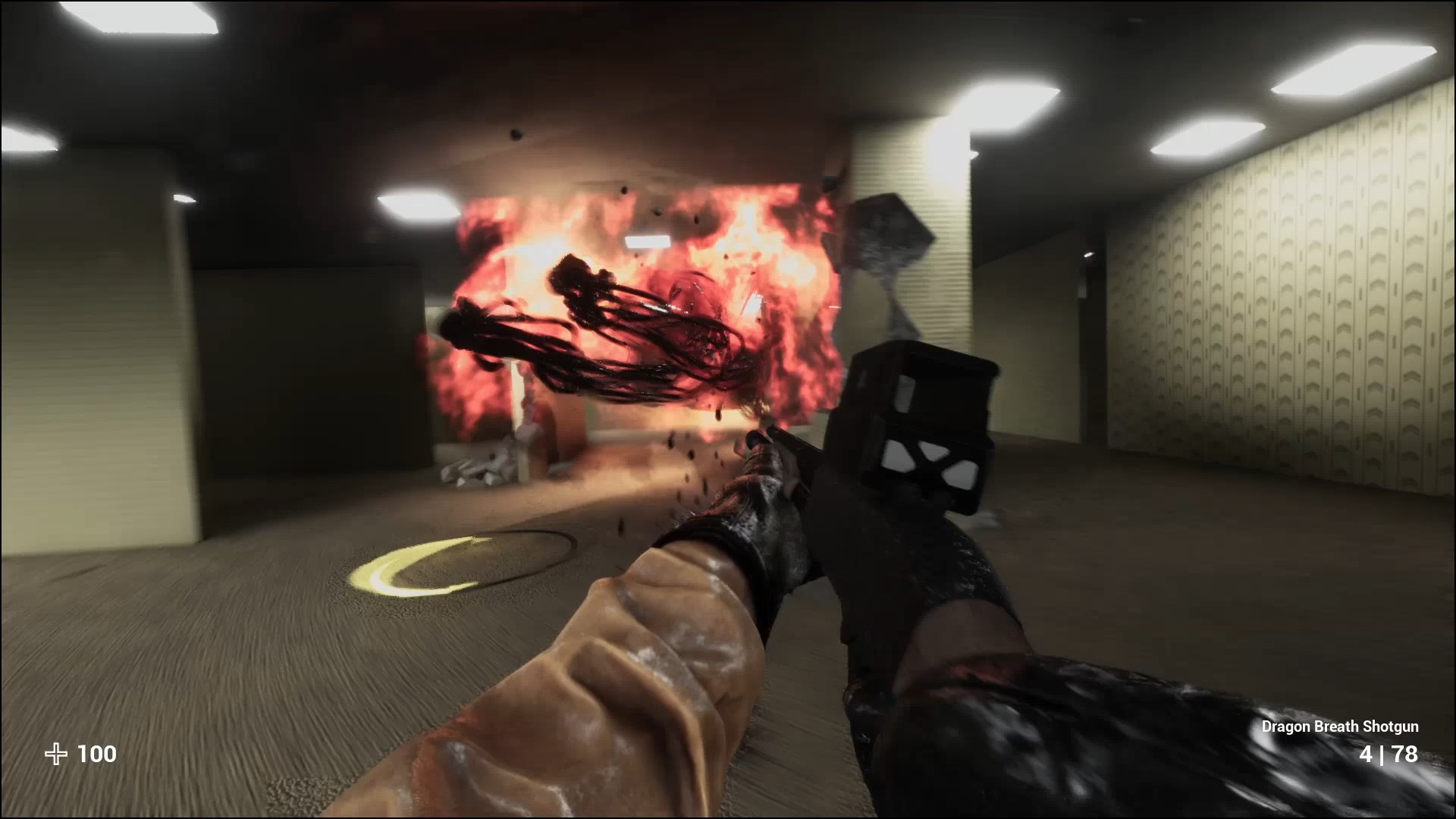
In early July, I came up with one of the game’s defining features: a telekinetic hammer. The original demo only had a basic demolition hammer. I honestly can’t believe it took me that long to add the ability to call it back like a boomerang. People started calling the game “Thor in the Backrooms.” The inspiration came from an old childhood game, Psi-Ops, where telekinesis was the standout ability. I’ve always felt that what matters isn’t the telekinesis itself - it’s what you can do with it. It felt flat in Control. It was brilliant in Half-Life 2 because of the Gravity Gun. In Backrooms Break, the magic was environmental destruction. Fans also drew comparisons to Red Faction: Armageddon, one of the first games to feature large-scale destruction.
I built multiple versions of the hammer throw and ran a vote in the Discord community. Fans chose their preferred throw style and force. I used the same community input for naming items and mechanics. That Discord was invaluable throughout the entire process.
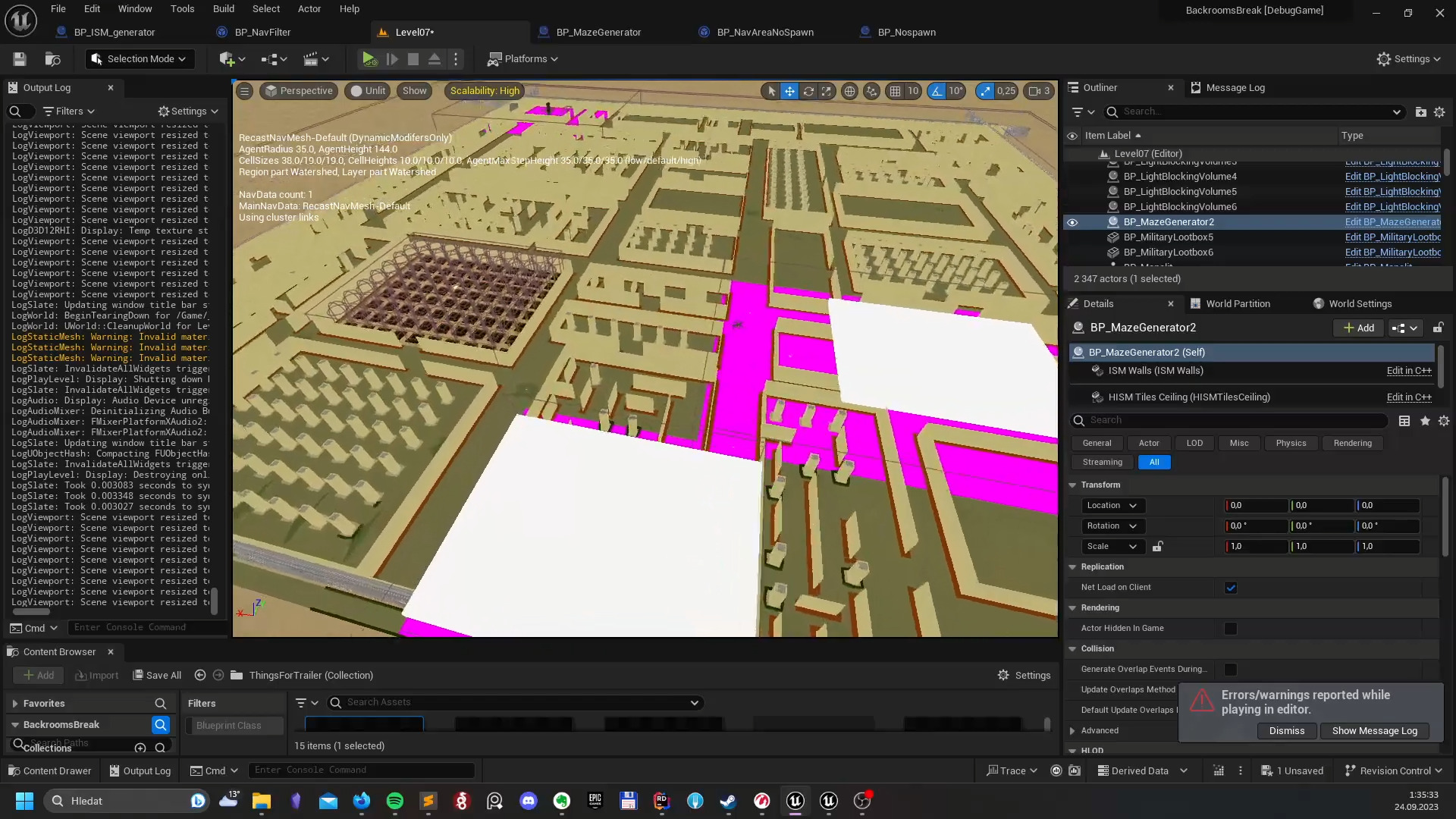
Mid-July, I released another trailer and ran a Reddit campaign - good feedback, but less wishlist impact than the Japanese article had generated. I used the opportunity to refocus on optimization. Getting the game to run smoothly with thousands of lights and destructible walls at a playable framerate took roughly three months of daily work.
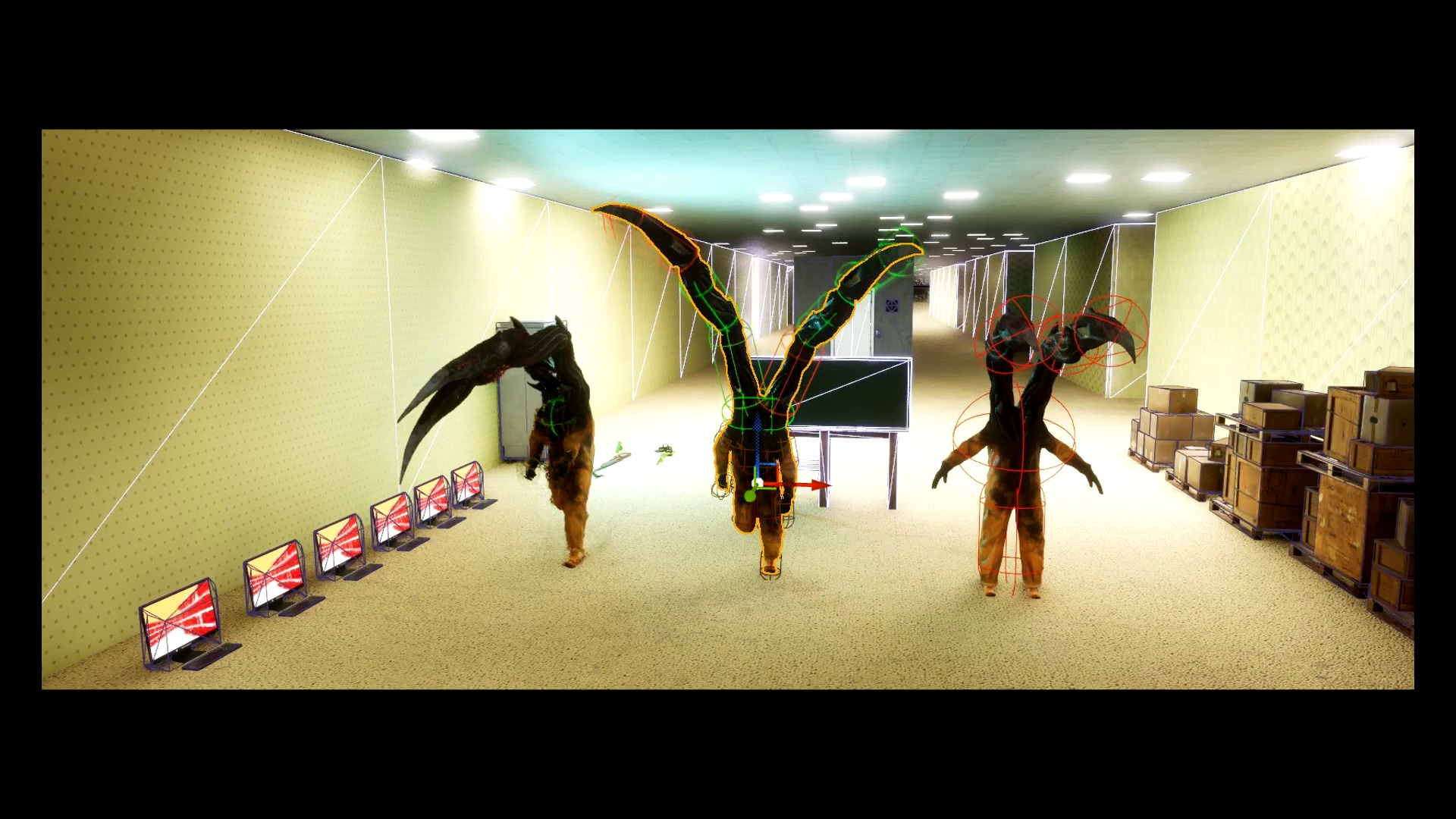
In August, I collaborated with my girlfriend - a professional 3D modeler and character artist - on a new enemy type. She built the entire creature in about two days based on my design. I then spent weeks experimenting with Unreal’s Physical Constraints system for its claw mechanics. Originally inspired by Dead Space’s necromorphs, I designed the enemy (which I named “Skullscythe”) so that players could only kill it by shooting off its claws. I built the mechanic, added tutorial text on the walls explaining it - and watched playtesters completely ignore it. In hundreds of Twitch sessions, only one player ever aimed at the claws. Everyone else shot the body and complained it was too hard to kill. Game design lesson: players don’t behave the way designers expect. I removed the mechanic and buffed body damage.
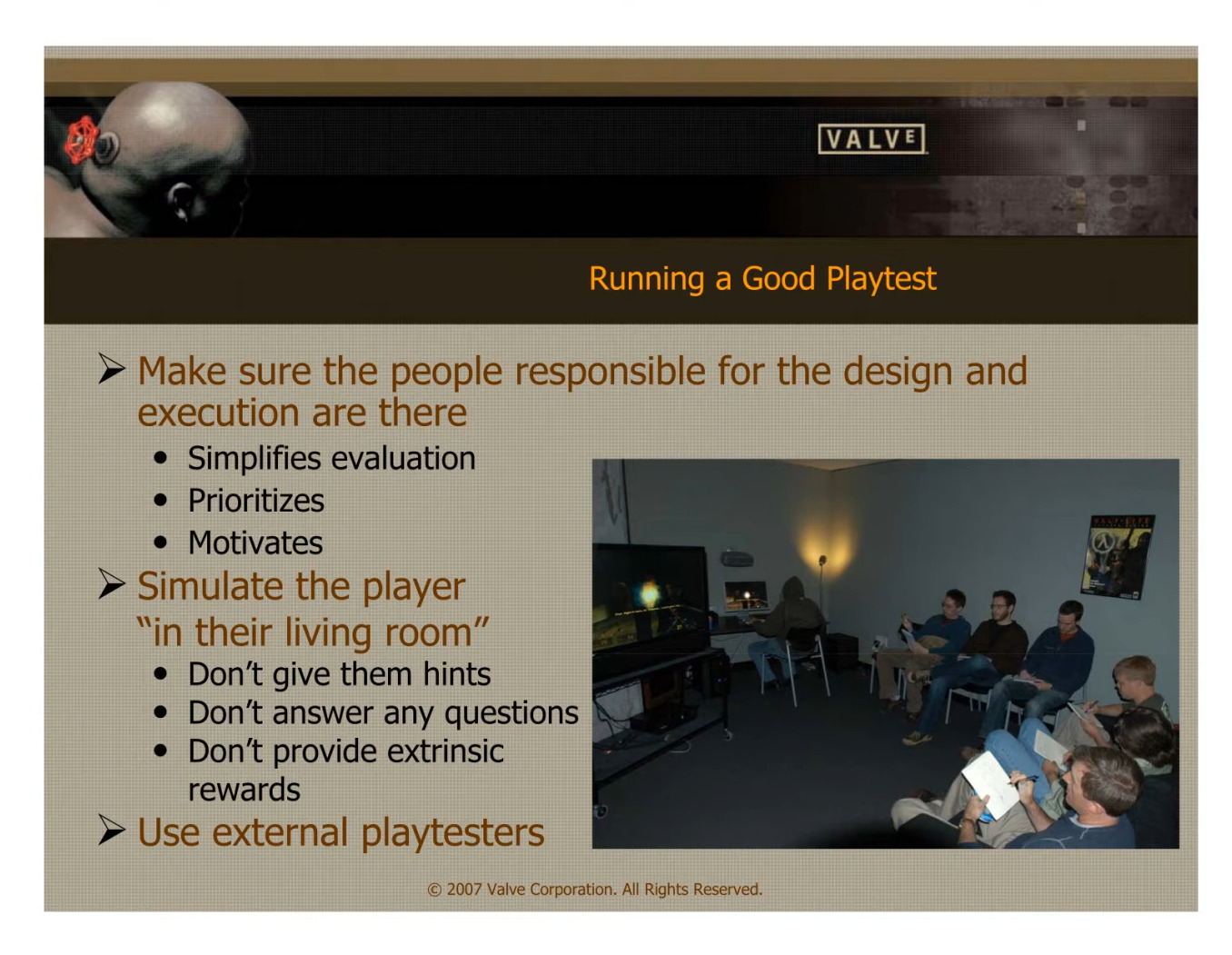
Also in August, I playtested with my little cousins using the Valve methodology: never guide, never hint, just observe. The cleanest feedback comes from players who don’t have a developer whispering over their shoulder.
Steam Next Fest: The Turning Point
October brought Steam Next Fest - arguably the single most important event in the lifecycle of a modern indie Steam game. I spent all of September preparing a demo build and a new trailer.
One major design pivot I made around this time: I had originally planned to use procedural generation for all levels, but quickly realized it creates a fundamental problem - boredom. You can see this with big-budget games like Starfield. I locked everything to a single seed, keeping level structure static while randomizing enemy spawns and loot. That made iteration dramatically faster.
I also started sending press kits. Both Games.cz and Indian-TV.cz covered Backrooms Break. Good momentum.
Steam Next Fest started on October 9th. Thousands of players tried the demo, including YouTubers and streamers, pulling in 800–1,100 new wishlists per day throughout the festival. The data was invaluable - I could see how the game performed across every hardware configuration and exactly where players got stuck.
One of the biggest complaints: players didn’t know where to go. That’s intentional in Backrooms lore - the disorientation is part of the experience - but I had to add at least a few navigation markers before frustration tipped into abandonment.
On the first day of the festival, Japanese outlet Denfaminicogamer published another article. Japanese players immediately stood out as a core audience - roughly 30% of my total wishlists came from Japan. Later, they’d prove to have the lowest refund rate, the longest playtimes, and the most positive reviews of any country.
Some players tried to destroy every single wall in the demo. I turned their determination into a Steam achievement.
Building More Levels
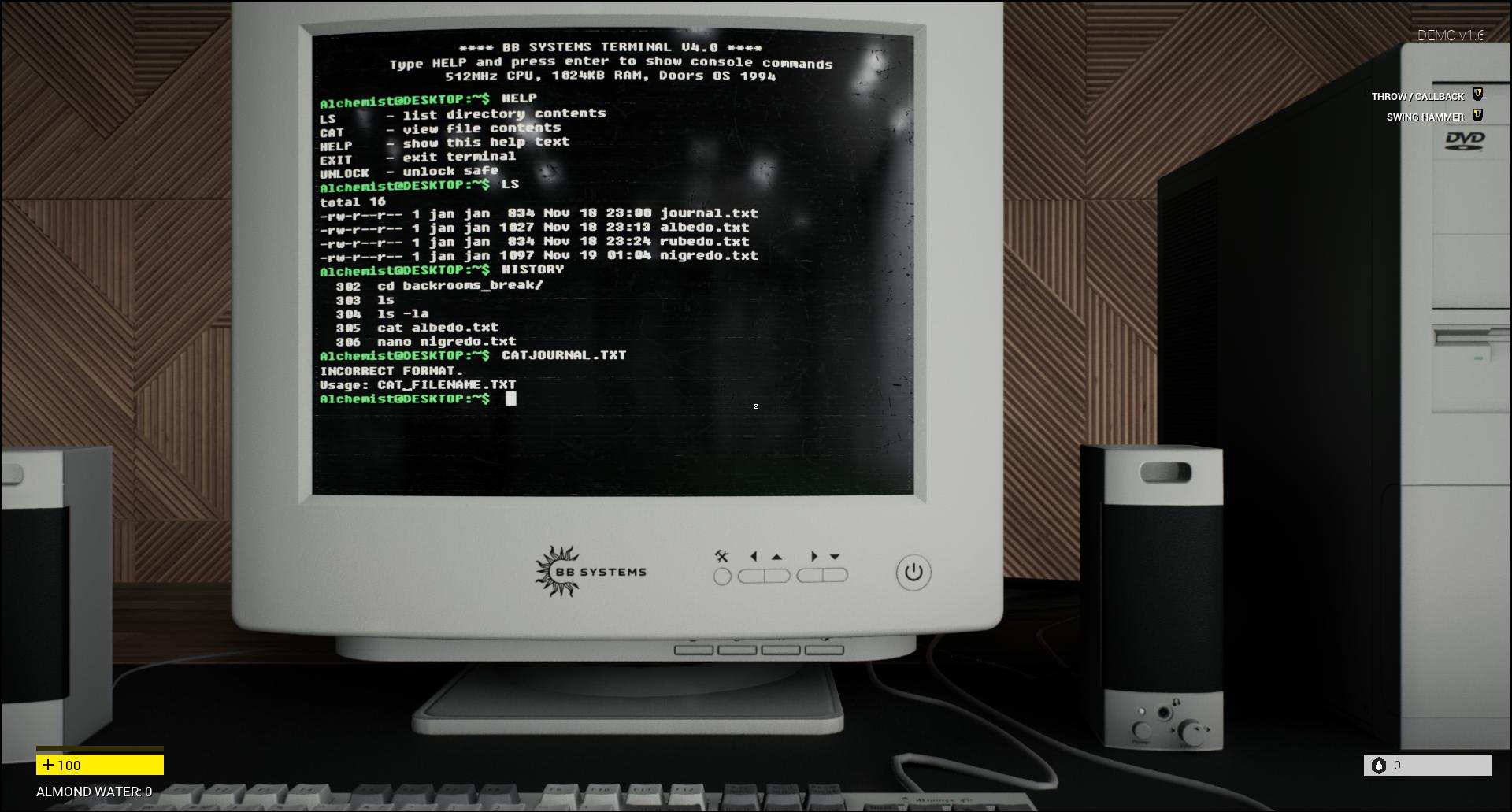
In November I started modeling Level 4, heavily inspired by the TV series Severance. I wanted CRT monitors that felt authentic - the hacking minigame is modeled on basic Linux terminal commands. The whole CRT system had to be built using in-scene cameras rendering to render targets.
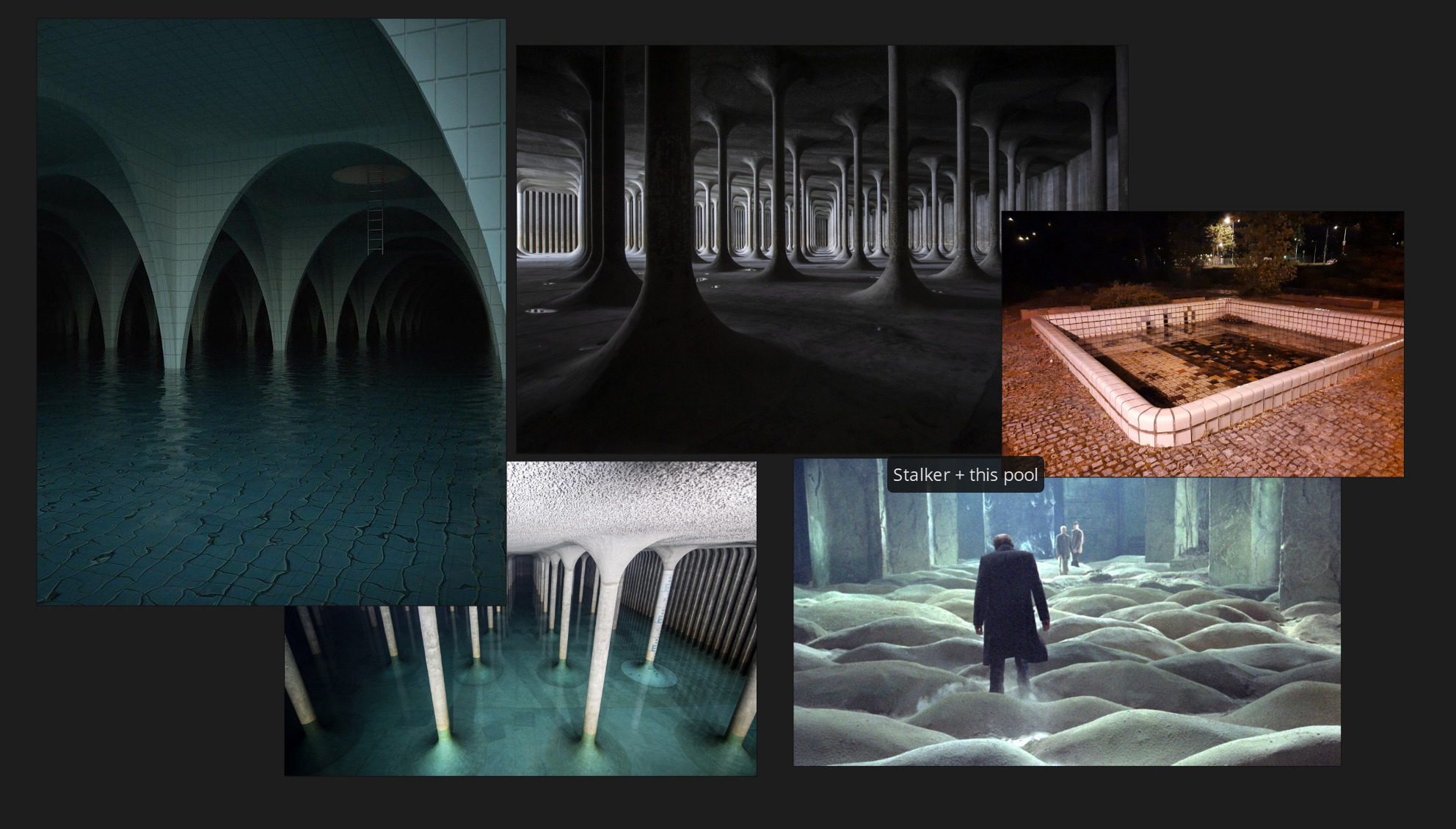
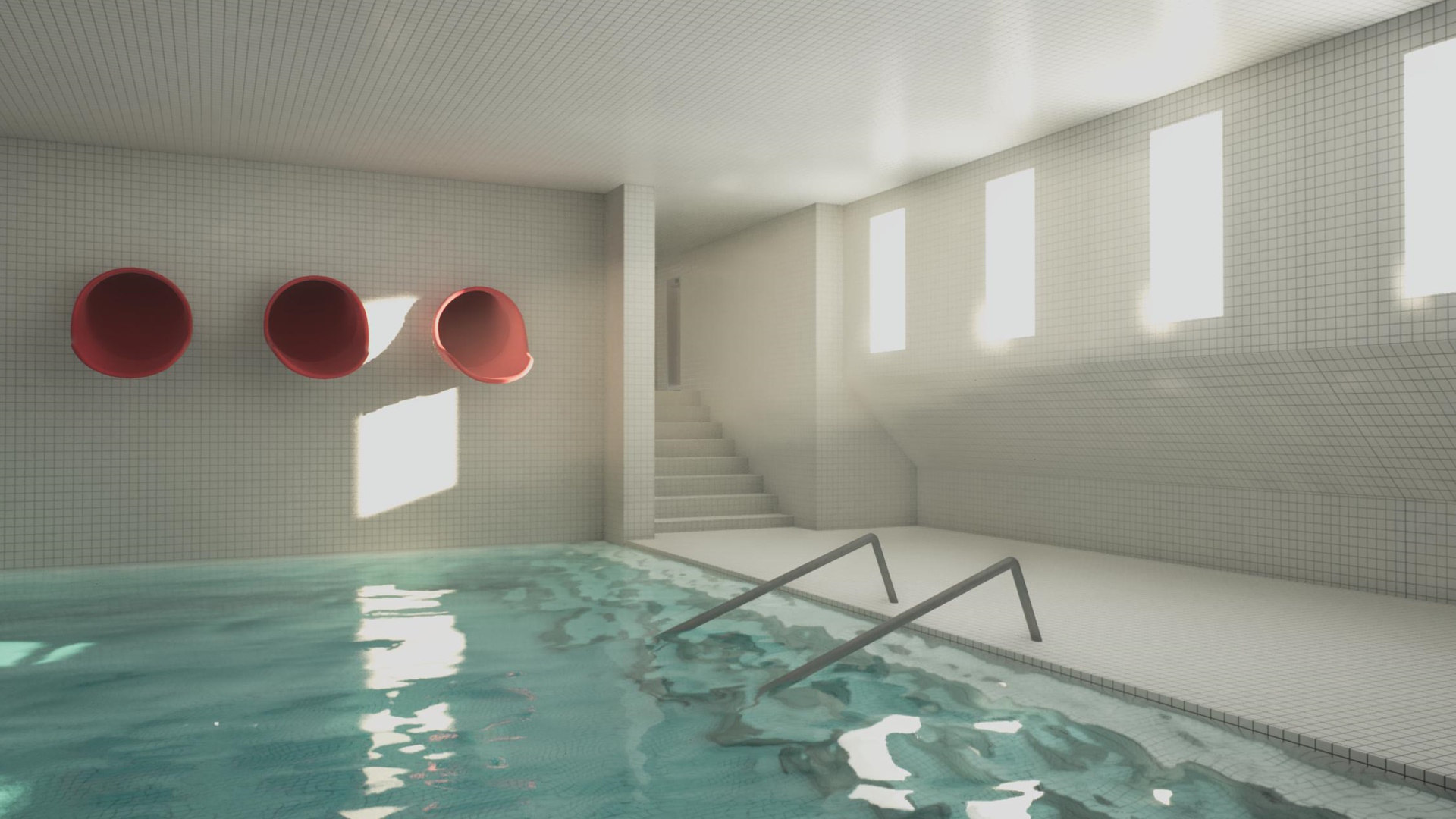
December was dedicated to the Poolrooms level. I’d originally planned 10 levels, but each one took one to two months to build properly - mechanics, puzzles, loot, enemies, testing, fun factor, all of it. I cut the game to five levels. Otherwise I’d have needed another full year.
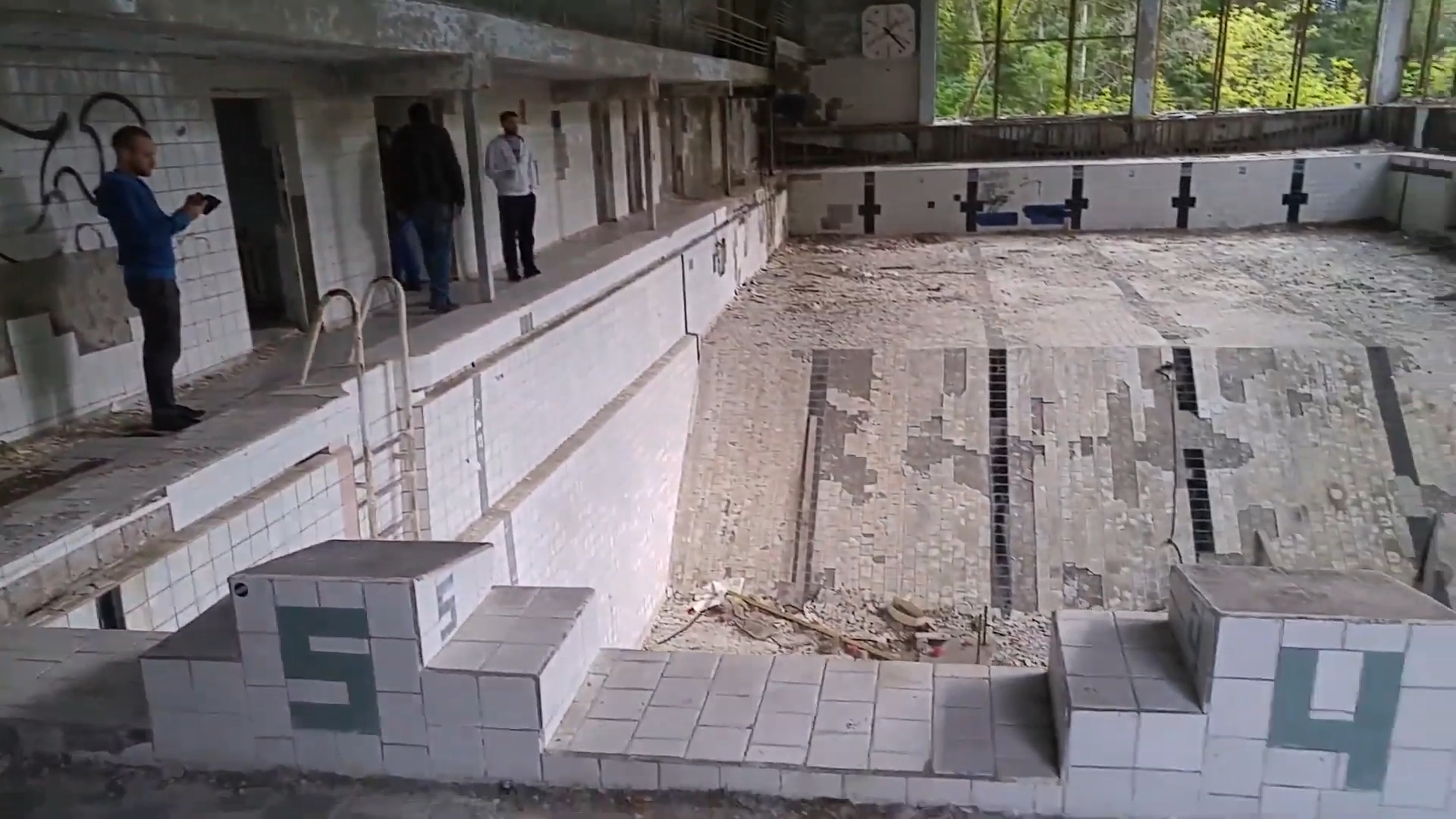
Over Christmas, my girlfriend and I photographed a local abandoned pool, which she then modeled for the game. I also used photos from a trip I’d taken to Pripyat, Ukraine - the Chernobyl pool is in the game too.
Then came the first serious crashes: loot box collision models were misconfigured, triggering infinite collision loops with certain static meshes, draining memory and crashing the whole application.
The Worst Month
On January 4, 2024 - two months before launch - I got bronchopneumonia. My own fault: I got cold coming home from jiu-jitsu one evening. I was overworked, tired and those nicotine patches I mentioned? By this point I was taking several a day. Nicotine is a significant immunosuppressant - something I only discovered through research later. It’s one of the primary mechanisms through which it promotes cancer: it suppresses immune response, leaving the body unable to fight abnormal cell growth. My immune system was compromised enough that the pneumonia knocked me out for a month. I hadn’t rested over Christmas either - just kept working. My body forced the issue. I pushed the launch date to late April.
All of February went into building the final boss fight. The Backrooms lore includes a level called “The End,” set in a library - so that’s where the bossfight lives. Lots of destructible wooden furniture. It works.
The Last Stretch
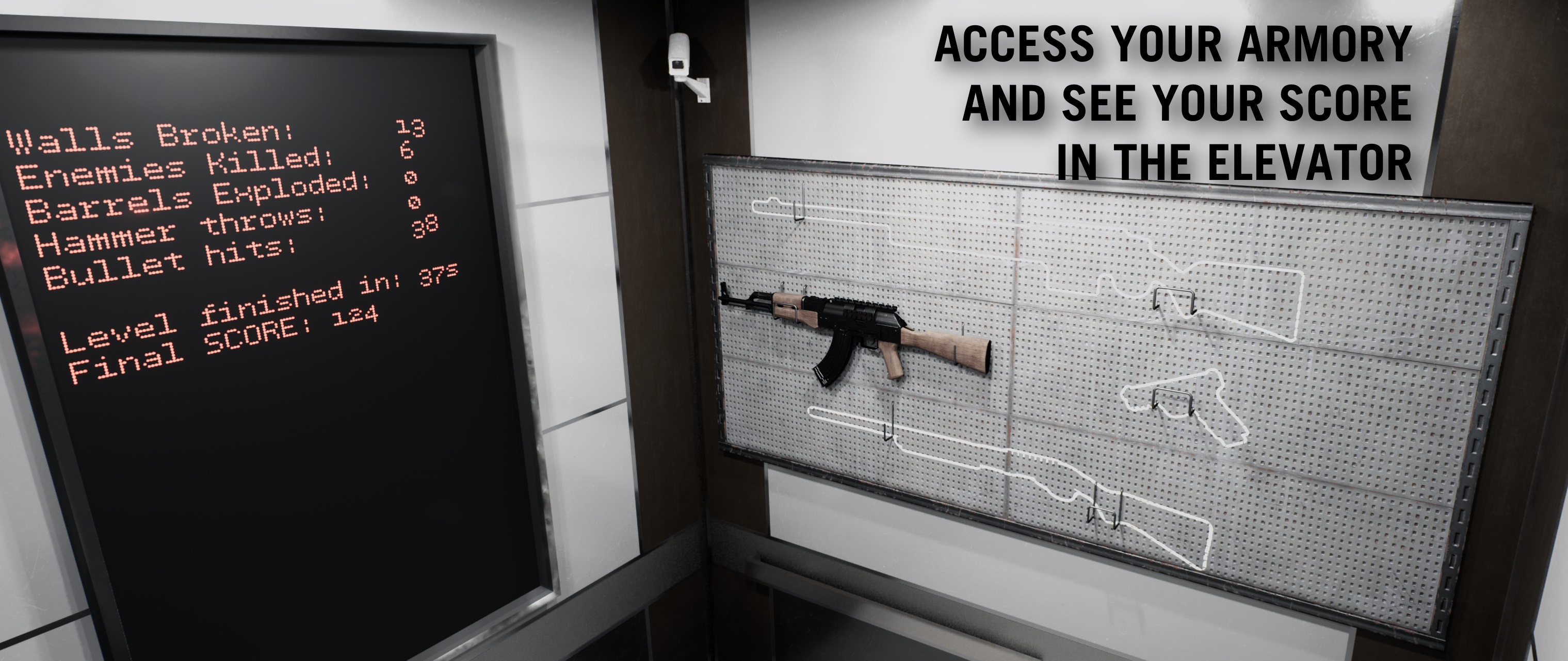
March was the new trailer, plus implementing Steam leaderboards and achievements. The leaderboards were designed for speedrunning - borrowing from Hotline Miami’s structure, where players are rewarded for speed and, in Backrooms Break’s case, destruction. At the end of each level, an elevator info screen breaks down the player’s performance, scores it, and shows their global ranking. I designed the scoreboard display based on a LED wall-panel menu at a local café I liked.
The new launch date: April 24, 2024. Chosen carefully - releasing any later would land in Steam’s spring sale, which is financial suicide for a small indie game. Players who just spent money on AAA titles aren’t going to buy yours. And April 26th was when my biggest direct competitor, POOLS, was planning to launch - a walking simulator focused purely on the Poolrooms aesthetic.
I’d actually built Backrooms Break partly as a reaction to walking simulators. The genre strips players of any agency, making them passive victims of atmosphere. I wanted players to be able to fight back. That was a risky bet. It turned out POOLS sold roughly 8x more copies than Backrooms Break - despite (or maybe because of) being yet another entry in a genre with a hundred near-identical competitors. I’d underestimated how deep the demand for that experience ran. That said, Backrooms Break is distinct enough that people are still buying it and praising it for what it is.
Pricing and timing decisions are genuinely their own science. I use steamdb.info and gamalytic.com obsessively - tracking follower counts, wishlist growth, and post-trailer spikes to model expected sales.
On March 12th, I discovered that a Polish Backrooms game was also planning to launch on April 24. A nightmare scenario. I tracked their Discord, noticed they were badly underestimating their own development timeline - and sure enough, by March they’d pushed their date to “TBD.” As of April 2026, they still haven’t launched.
The Vtuber Army
On March 25, a month before launch, I got a message on Discord that seemed almost too good to be true. It was from the CEO of a major Japanese Vtuber agency.
After years of receiving hundreds of fake “I’m a famous YouTuber, can I have keys?” emails, I was skeptical. I asked to move the conversation to LinkedIn. He responded there, which confirmed he is legit. I generated dozens of keys and asked him to hold off until the day before launch.
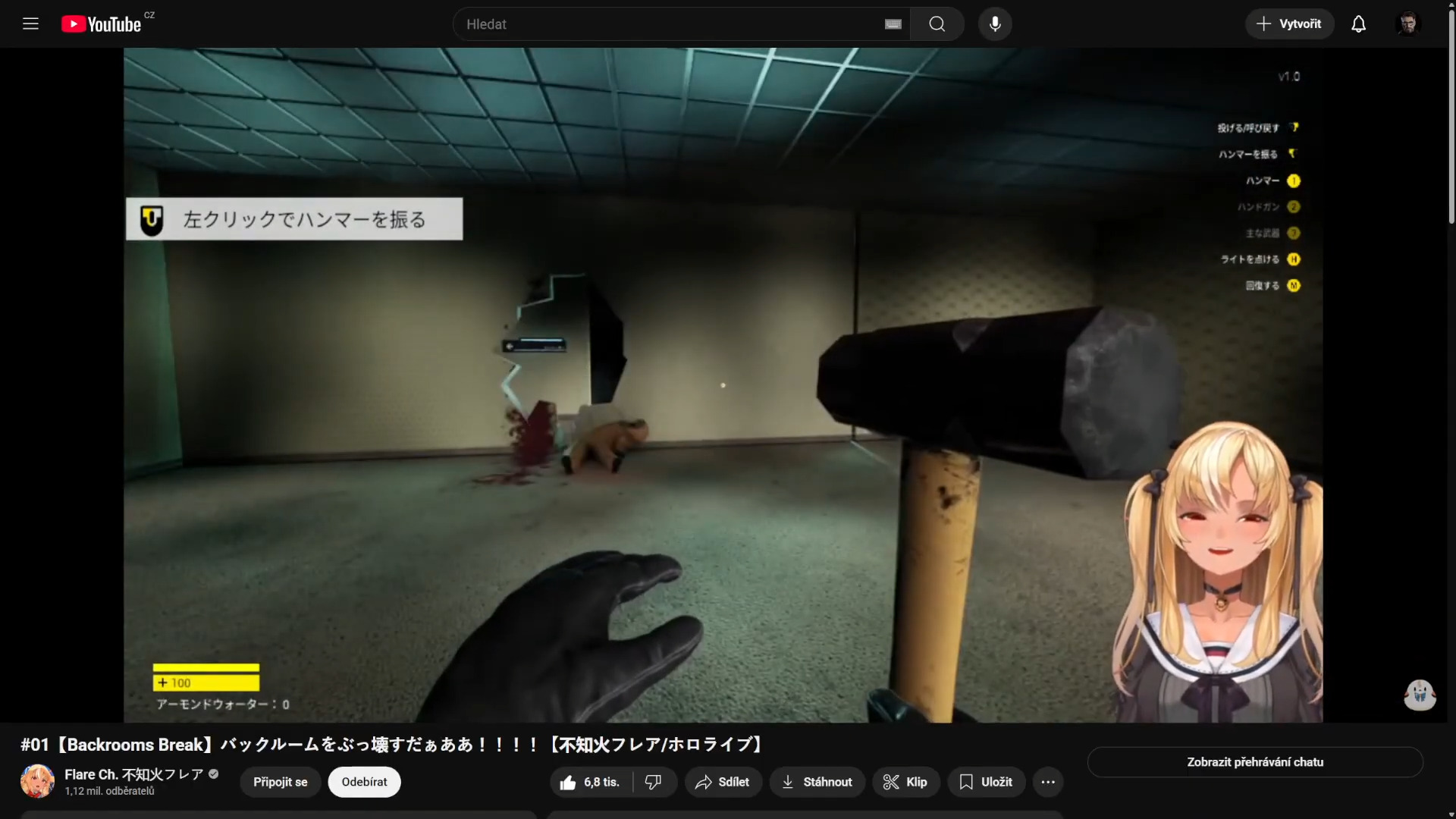
A month later, I had an army of Vtubers - each with millions of subscribers - streaming Backrooms Break for hours. Every single one of them played for multiple hours. Their videos pulled in tens and hundreds of thousands of views each. Best investment I made on the entire project. It cost me nothing but product keys.
Launch Week
In the final weeks, I finished translations into Japanese, Chinese, Russian, and German. Chinese is tricky - you gain access to a massive market, but also receive disproportionately higher refund rates and negative reviews compared to other regions It’s not just my experience - Czech gaming magazine LEVEL has written about this pattern too. As of now, I am aware why that is happening. Chinese market has disabled Steam community centre, so the only way to complain is through the actual Steam reviews.
A week out, I was blasting trailers and screenshots across every social channel. I also hired 10 paid playtesters - a few dollars each to complete the game. Some sent back PDF reports mapping exactly what they liked and didn’t. I also integrated BugSplat crash tracking so every crash post-launch would be logged.
The days before launch: no sleep. Working through the night. The morning of release I sent keys to YouTubers and streamers I’d been in contact with over the previous years.
My biggest Western content creator was Broogli - the #1 content creator in the Backrooms community, who normally just maps the lore but made an exception to play my game live. 8BitRyan (4M subscribers) was another surprise. The Japanese and Chinese markets were a chapter unto themselves.
I published on Epic Game Store as well - and I wouldn’t recommend it to anyone. Non-responsive support, endless bureaucratic friction, and I ended up launching there 10 days after my Steam date, just because the achievements on Epic did not match those I created on Steam, and they demanded I fix it, and then failed to approve it before release. And then they noticed my trailer contains blood, and demanded I release another trailer without blood/red paint. The result: a few dozen copies sold. On Steam: 20,000. Epic might only make sense for a 6-month exclusivity deal where you can work out the bugs before a Steam launch. But 2 years after release, Epic store generated in sum about as many sales as the weakest week on Steam.
After Launch
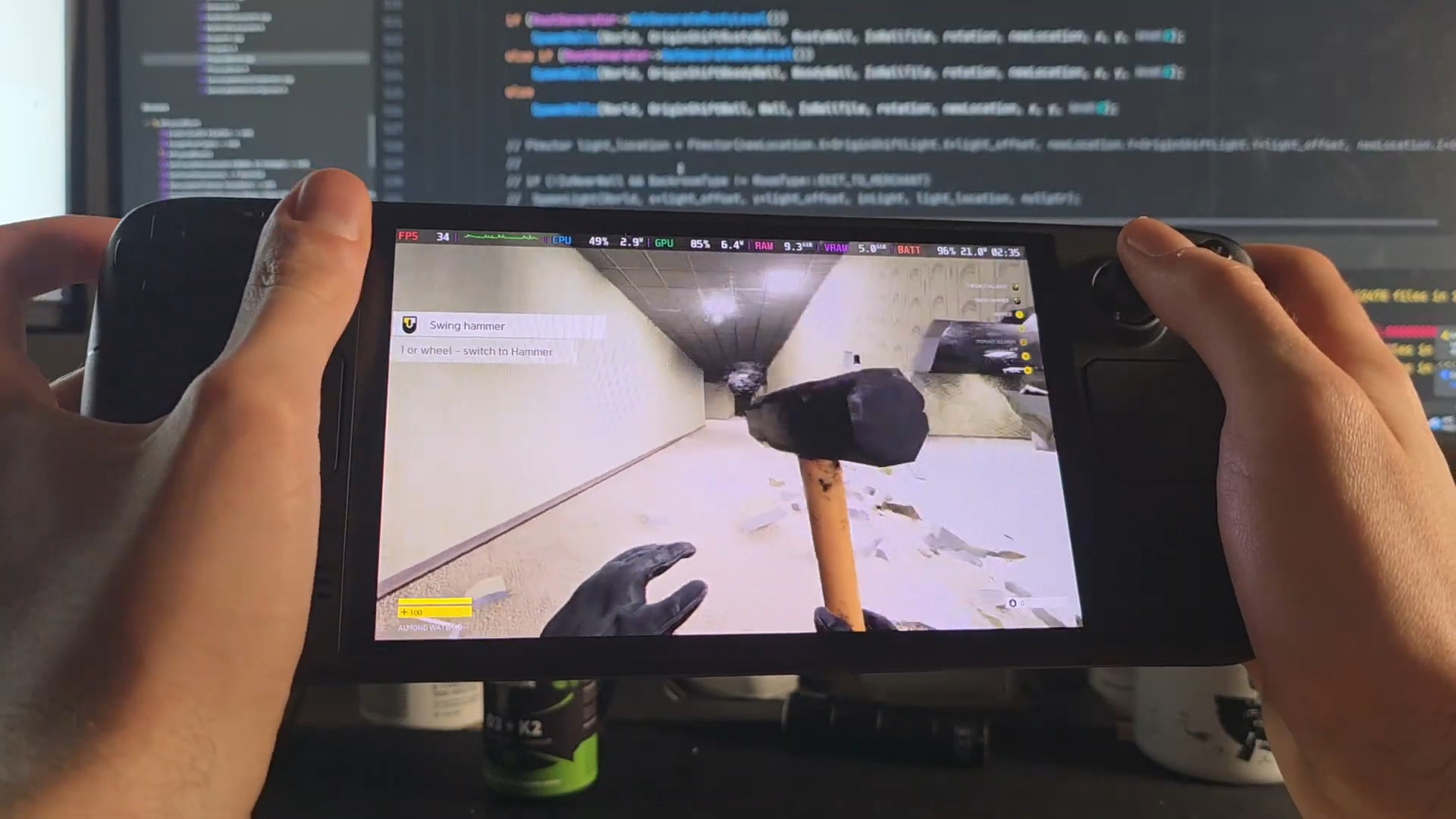
Post-launch, I patched the most critical bugs. In May I added an Endless Mode - for players who finished the game and want to roam freely, spawn anything, no enemies. In June, I contacted Valve about receiving a Steam Deck for porting. By July, I’d hit the sales threshold to unlock Steam Trading Cards.
What I Learned
And here we are - two years from a Blender pillar to 20,000 copies sold.
There was the Steam Next Fest chaos, the pneumonia that nearly derailed everything, the Japanese articles that changed the trajectory of the whole project, the Vtuber campaign that cost nothing and paid off enormously, and one expensive design mistake - a level ordering decision based on lore fidelity rather than player experience.
I was obsessive about following canonical Backrooms level numbers. Level 0, then 1, then 4, then 37. The elevator goes in order, so the game goes in order. Backrooms fans will appreciate the lore consistency, I told myself. It makes sense, right?
Problem is, I made the Garage (Level 1) a flooded level. Like the Amnesia invisible monster level. The level was fundamentally different from the first level (not that much destruction, a lot of psychological pressure and actual horror, running from the invisible monster, occasionally breaking some pillars, jumping onto parked cars, having to rotate a valve to open a gate while the monster heads toward the last spot where you touched the water… etc.)
And I put this level second in the game.
A lot of players quit there. I spotted the drop in playtime data a few days after launch, switched the level to later in the sequence where it actually belongs difficulty-wise - and sales and refunds went back to normal almost immediately. I estimate that ordering decision cost me somewhere between $13-15k.
The numerical level order is now wrong by lore standards. Nobody noticed. Nobody cared. But they sure noticed the feeling - or rather, they stopped noticing it in a bad way. Levels go from easy to hard now, as they should have from the start.
The deepest lesson, though, is this: be very careful which game you choose to make - because in my experience, you eventually become the project. I thought I was making a game about the feeling I had in 2019, in a job that left me empty, searching for a way back to myself.
Instead, my own life during development started to look a lot like the Backrooms - full of pressure, isolation, and unexpected dead ends.
Next time, I want to make something that feels as genuinely meaningful as my first Steam game, Jung’s Labyrinth. Nothing less.
But even so - the journey was worth it. Mainly because of the people who were part of it: my girlfriend, my family, the Discord community, and all the players who kept showing up.
Thanks for reading this all the way to the end.